
Why BLDC Motor is important for electric toilet?
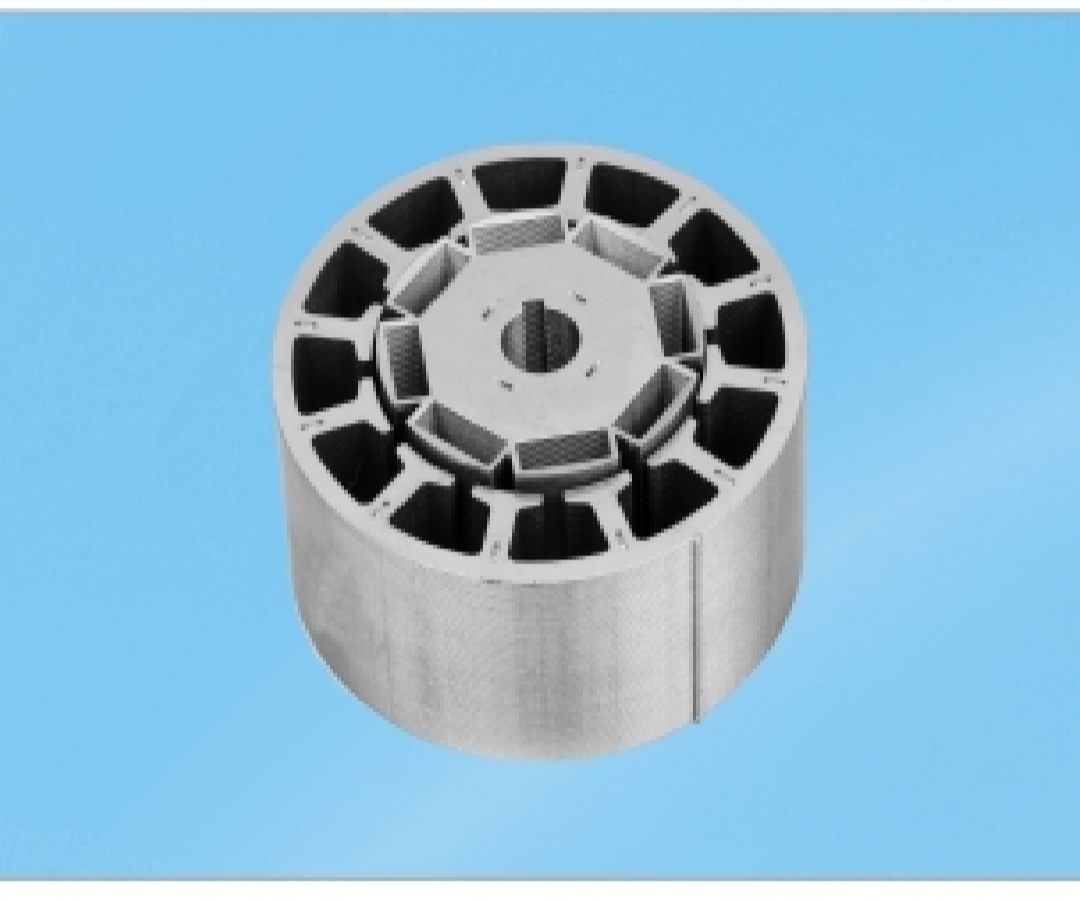
Here's why they are essential:
-
Instant, Powerful Flush Without a Tank:
-
Problem: Tankless toilets need to generate high water pressure instantly from the low-pressure building supply line to create an effective flush. Traditional AC motors or brushed DC motors are too slow to start, lack sufficient power density, or are too inefficient.
-
BLDC Solution: BLDC motors provide high torque instantly from zero RPM and have exceptional power density. They can rapidly spin a pump impeller to generate the necessary high pressure on demand, completely eliminating the need for a bulky water storage tank.
-
-
Precise Water Control & Conservation:
-
Problem: Effective flushing requires delivering the right amount of water with the right force for different waste types. Older mechanisms were often "all or nothing" or very crude in adjustment.
-
BLDC Solution: Electronic control allows exact speed and torque regulation. The toilet's processor can command the motor to run at specific speeds for specific durations. This enables:
-
Dual/Multi-Flush: A gentle, low-volume flush for liquid waste; a powerful, slightly higher-volume flush for solid waste.
-
Optimized Water Usage: Precisely metering the minimal water required for each flush type, exceeding the efficiency of even the best gravity tanks.
-
Adjustable Flush Strength: User customization (e.g., stronger flush for larger bowls).
-
-
-
High Energy Efficiency:
-
Problem: Toilets flush frequently. An inefficient motor wastes significant electricity over time, increasing operating costs and environmental impact.
-
BLDC Solution: BLDC motors are fundamentally more efficient (often 80-90%+) than brushed DC or AC induction motors (typically 60-75%). They eliminate brush friction losses and use sophisticated electronic commutation to minimize heat generation and electrical losses. This saves substantial energy over the motor's long lifespan.
-
-
Exceptional Reliability & Longevity:
-
Problem: Toilets are used multiple times daily. Motors in humid bathroom environments need to withstand thousands of start/stop cycles without failure. Brushed motors wear out brushes and commutators.
-
BLDC Solution: The absence of physical brushes is the key advantage. There's no primary wear component. Combined with modern bearings and sealed construction, BLDC motors offer vastly superior reliability and lifespan (often rated for 10+ years of normal use), reducing maintenance and replacement costs.
-
-
Quiet Operation:
-
Problem: Traditional tank flushes and older pump motors can be loud and disruptive, especially at night.
-
BLDC Solution: Electronic commutation is inherently smoother and quieter than mechanical commutation (brushes) or the magnetic "hum" of AC motors. BLDC motors also allow for optimized acceleration/deceleration profiles, further reducing noise and vibration. This is crucial for home comfort and shared living spaces.
-
-
Compact Size & Integration:
-
Problem: Space inside toilets or in-wall cisterns is extremely limited. Older motor types powerful enough for flushing were often too large.
-
BLDC Solution: BLDC technology offers the highest power-to-size ratio. A compact BLDC motor + pump unit can deliver the necessary flush power while fitting into the sleek designs of modern smart toilets or the confined space of an in-wall installation.
-
-
Enabling Smart Features:
-
Problem: Advanced toilets offer features like auto-flush, remote control, integration with home automation, and self-diagnostics. These require a motor that can be precisely controlled by digital signals.
-
BLDC Solution: BLDC motors are inherently digitally controlled. They require an electronic controller (driver) that easily interfaces with the toilet's main microprocessor. This seamless integration is essential for all the automation and intelligence in modern electric toilets.
-
In essence, BLDC motors are the only practical technology that simultaneously delivers the instant high power, precise control, high efficiency, compact size, extreme reliability, and quiet operation required for high-performance, feature-rich, tankless electric toilets. They are fundamental to the water savings, user experience, and smart functionality that define modern bathroom technology. Without BLDC motors, the advanced electric toilets common in Japan and gaining global popularity simply wouldn't be feasible.
How to make electric toilet BLDC Motor?
What is electric toilet BLDC Motor?
Related Article


