
How to make agricultural drone BLDC Motor?
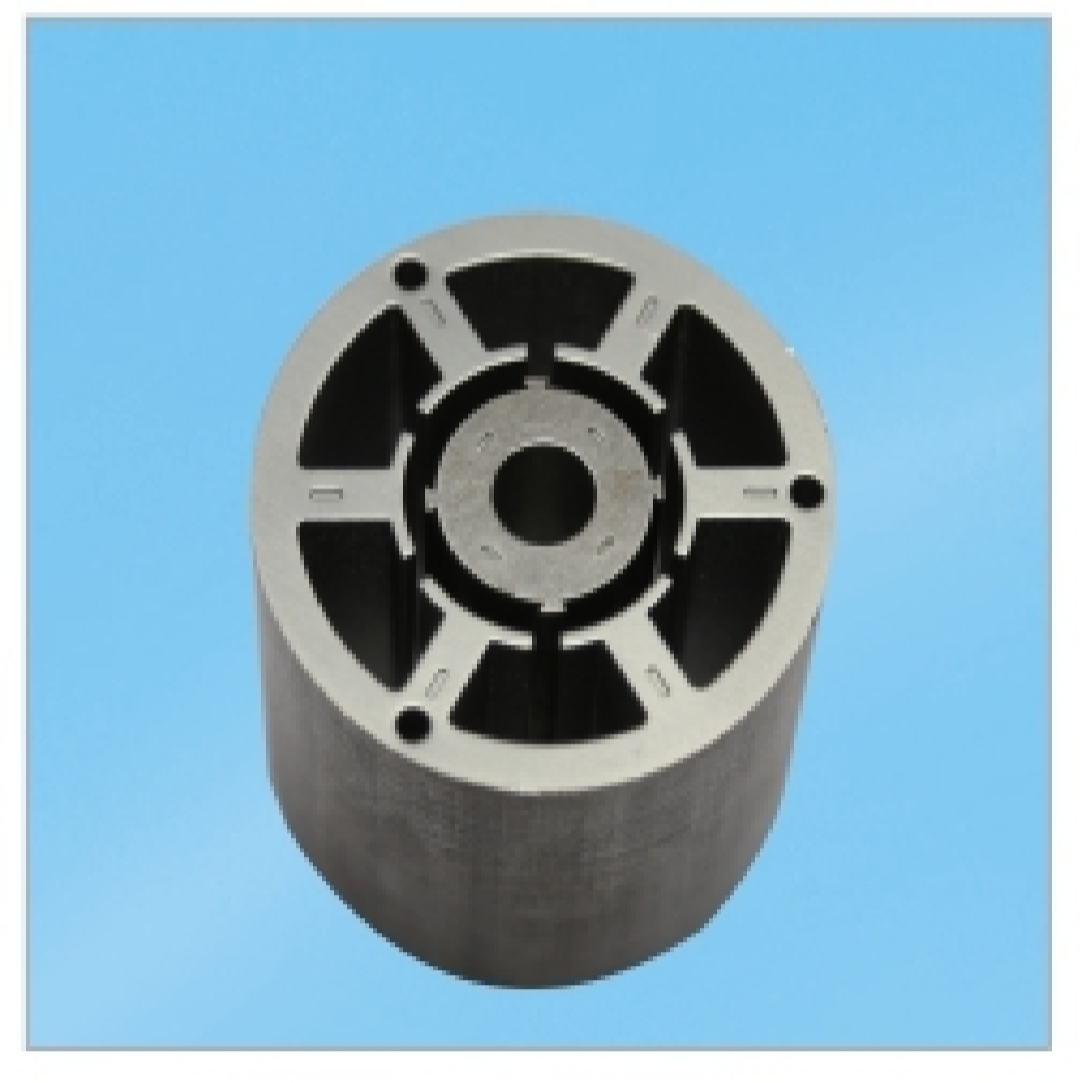
Below is a step-by-step guide to the process, emphasizing critical agricultural-specific adaptations:
1. Design & Engineering Phase
A. Define Requirements
-
Payload: 10–50 kg (spray tanks, sensors).
-
Flight Time: 45+ minutes.
-
Environment: Dust, pesticides, humidity (IP67+).
-
Voltage: 6S–12S LiPo (22.2–50.4V).
-
KV Rating: 100–500 RPM/V (low KV for high torque).
B. Electromagnetic Design
-
Software: Use Motor-CAD, ANSYS Maxwell, or FEMM.
-
Key Parameters:
-
Stator: 12–18 slots (laminated steel).
-
Rotor: 14–16 poles (NdFeB magnets).
-
Winding: Delta/Y-configuration for high torque.
-
Air Gap: 0.5–0.8 mm (balance efficiency vs. torque).
-
C. Thermal & Mechanical Simulation
-
Cooling: Finned housings + airflow channels.
-
Vibration Analysis: Ensure stability under payload shifts.
2. Material Selection
| Component | Agricultural-Specific Materials | Purpose |
|---|---|---|
| Stator Core | Silicon steel laminations (0.2–0.35mm) | Reduce eddy current losses |
| Magnets | N52H/N52SH neodymium (temperature-resistant) | High torque in compact size |
| Windings | Copper wire (Grade 2 insulation) | Resist chemical corrosion |
| Housing | Aluminum 6061-T6 (anodized) | Lightweight + corrosion resistance |
| Shaft | Stainless steel (17-4 PH) | Resist pesticide corrosion |
| Seals | Viton rubber gaskets | IP67 dust/chemical resistance |
3. Manufacturing Process
A. Stator Assembly
-
Lamination Stacking: Laser-cut laminations glued/epoxied.
-
Winding:
-
Automated needle winding (concentrated windings).
-
Impregnated with epoxy varnish (waterproofing).
-
-
Slot Insulation: Nomex paper to prevent shorts.
B. Rotor Manufacturing
-
Magnet Bonding:
-
Magnets glued into rotor slots with high-temp epoxy.
-
Carbon fiber sleeve for containment at 30,000+RPM.
-
-
Dynamic Balancing: <0.1g imbalance tolerance.
C. Housing & Integration
-
CNC Machining: Precision-tolerance bearing seats.
-
Sealing:
-
O-rings at shaft exits.
-
Potting electronics (ESC connectors).
-
4. Agricultural-Specific Modifications
-
Chemical Resistance:
-
Coat stator windings with fluoropolymer resin.
-
Use ceramic bearings (resistant to pesticide acids).
-
-
Dust Proofing:
-
Labyrinth seals + particle filters on cooling vents.
-
-
Cooling Enhancements:
-
Integrated heat sinks with thermal paste.
-
Air scoops for forced convection.
-
5. Testing & Validation
A. Performance Tests
-
Torque-Speed Curves: Validate using a dynamometer.
-
Efficiency Mapping: ≥85% at operating loads.
-
Thermal Run: 100% load for 30 mins (temp ≤110°C).
B. Environmental Tests
-
IP67 Certification: Submersion in 1m water for 30 mins.
-
Corrosion Test: 500hrs salt spray (ASTM B117).
-
Vibration Test: 5–2000 Hz sweep (MIL-STD-810G).
C. Field Validation
-
500+ flight hours with spray payloads.
6. Production Scaling
-
Automation: Robotic winding + laser balancing.
-
Quality Control:
-
X-ray inspection for voids in windings.
-
Eddy current testing for magnet cracks.
-
-
Certification: CE, FCC, ISO 9001.
Key Challenges in Agri-Motor Production
| Challenge | Solution |
|---|---|
| Chemical Degradation | Fluoropolymer coatings + sealed bearings |
| High-Temp Operation | High-temp magnets (150°C+) + cooling fins |
| Payload-Induced Vibration | Dynamic balancing + dampened mounts |
| Field Debris Ingress | IP67 seals + filtered vents |
Alternatives for Non-Manufacturers
-
Customize OEM Motors:
-
Brands like T-Motor (U8 Pro) allow custom KV/coating.
-
-
White-Label Partnerships:
-
Work with factories (e.g., in Shenzhen) for batch production.
-
Cost Considerations
-
Prototype: $5,000–$20,000 (design + testing).
-
Mass Production: $50–300/unit (for 1,000+ units).
Conclusion
Manufacturing agricultural BLDC motors demands precision engineering and harsh-environment hardening. Focus on:
? High torque density (for heavy payloads) + ?️ IP67 sealing (chemical/dust resistance) + ❄️ Thermal management.
For most agri-drone companies, partnering with established motor OEMs is more practical than in-house production. If pursuing custom builds, prioritize field validation over lab specs – real farms are the ultimate test.
Pro Tip: Start with modifying existing motors (e.g., adding conformal coating) before full-scale manufacturing.
What is electric curtain BLDC Motor?
Why BLDC Motor is important for agricultural drone?
Related Article


