
What is electric toilet BLDC Motor?
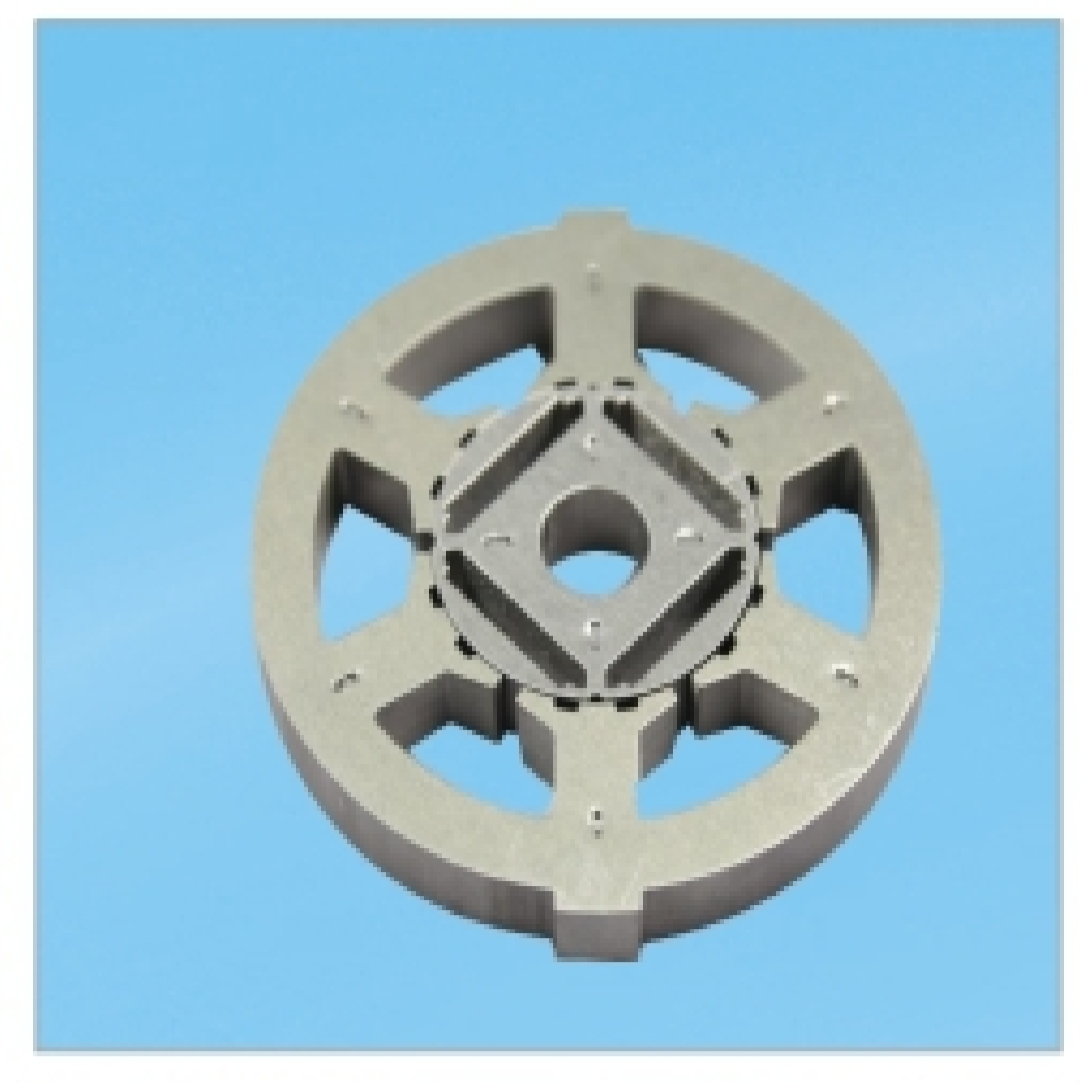
Here's a breakdown of what it is and why it's used:
-
Core Function:
-
It replaces the traditional gravity-based flush tank or simple solenoid valves.
-
Its primary job is to pressurize water instantly and powerfully to create a strong, efficient flush directly from the building's water supply line, without needing a storage tank.
-
-
Why BLDC?
-
High Efficiency: BLDC motors convert electrical energy to mechanical energy much more efficiently than brushed DC motors or AC motors. This saves significant energy, especially important for a frequently used appliance.
-
Precise Control & Variable Speed: BLDC motors are electronically commutated (controlled by a small circuit board). This allows for exact control over:
-
Flush Strength: Enables different flush modes (e.g., light flush for liquid waste, powerful flush for solid waste, eco-mode).
-
Water Volume: Precisely meters the amount of water used per flush.
-
Start/Stop: Instantaneous and smooth operation.
-
-
Compact Size & High Power Density: BLDC motors pack a lot of power into a small space, crucial for fitting into the sleek designs of modern toilets or in-wall cisterns.
-
Quiet Operation: BLDC motors run significantly quieter than traditional tank flushes or older pump mechanisms, enhancing bathroom comfort.
-
High Reliability & Long Lifespan: The absence of physical brushes (which wear out in brushed motors) means less friction, less heat, and dramatically longer service life. They are built for thousands of flush cycles.
-
Low Maintenance: The brushless design inherently requires less maintenance.
-
Fast Response: Provides immediate water pressure on demand.
-
-
Where is it Used?
-
Tankless Flush Systems: This is the primary application. The motor-pump unit pressurizes water directly from the supply line the moment you press the flush button.
-
Integrated Smart Toilets/Bidets: Found in high-end toilets with features like automatic opening/closing, bidet washing (often has a separate pump), air drying, deodorizing, and heated seats. The BLDC motor handles the core flushing.
-
In-Wall Cistern Systems: The motor-pump unit is hidden inside the wall cavity behind the toilet pan.
-
-
Key Components (in the context of a toilet):
-
BLDC Motor: The core brushless motor.
-
Impeller/Pump: Attached to the motor shaft, this spins to draw in and pressurize the water.
-
Motor Driver/Controller: A small electronic circuit board that precisely controls the speed and torque of the motor based on the selected flush command.
-
Housing: Encases the motor and pump, designed for water resistance and quiet operation.
-
Inlet/Outlet Ports: Connect to the water supply and the toilet bowl's rim/washdown jet.
-
In Simple Terms:
Think of an electric toilet BLDC motor as the high-tech, efficient, quiet, and powerful "heart" of a modern tankless flushing system. It's what gives you that strong, customizable flush at the touch of a button, using less water and energy, while being incredibly reliable and long-lasting compared to older flushing mechanisms. It's a key enabling technology for the advanced features found in today's smart toilets.
Why BLDC Motor is important for electric toilet?
How to make electric curtain BLDC Motor?
Related Article


