
What is vehicle door lock BLDC Motor?
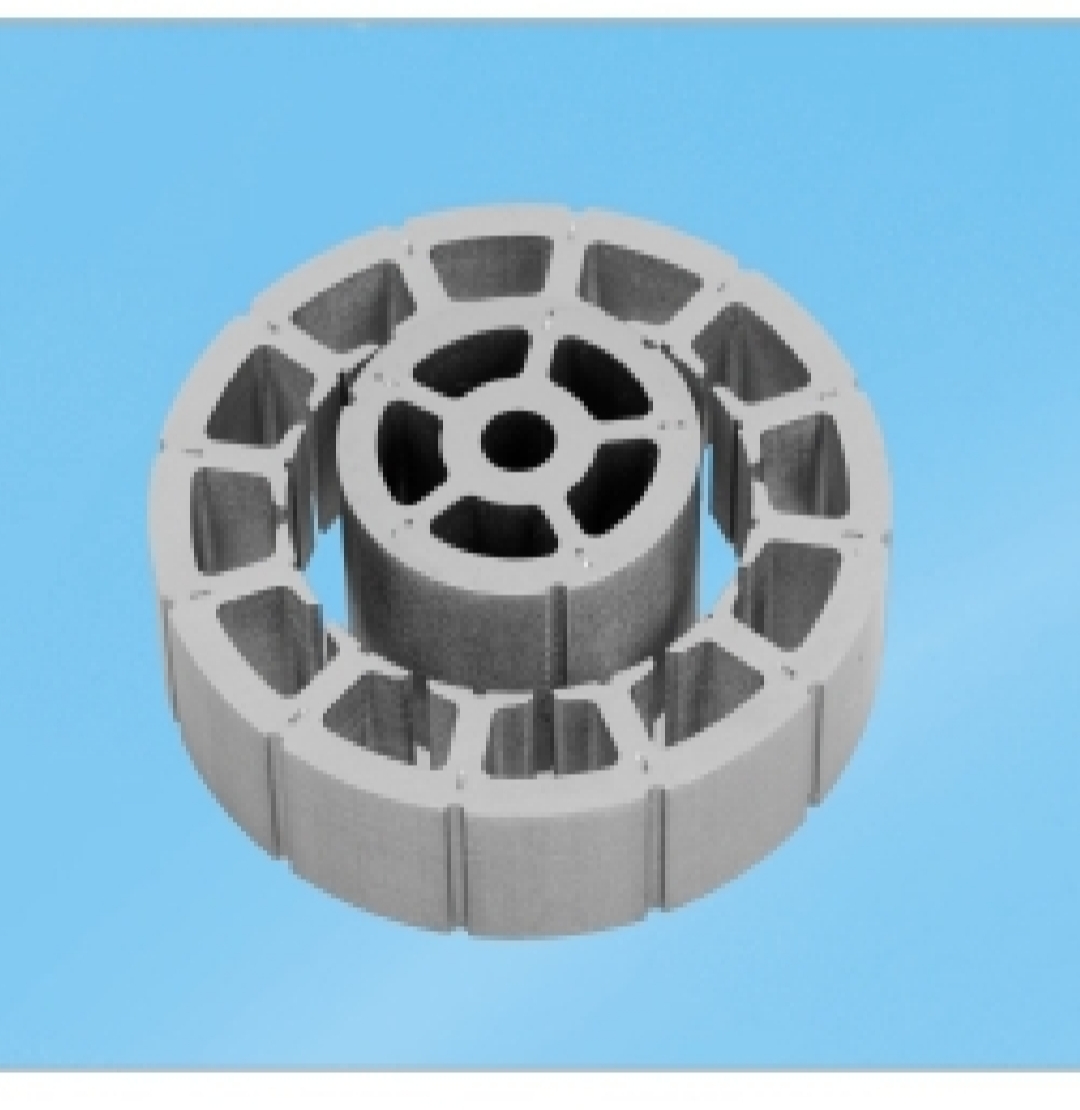
Here's a breakdown of what it is and why it's significant:
-
BLDC = Brushless DC Motor:
-
Unlike traditional brushed DC motors, BLDC motors use electronic commutation instead of physical brushes and a commutator to switch the current direction in the windings.
-
Key components:
-
Stator: Stationary part with multiple copper windings.
-
Rotor: Rotating part with permanent magnets.
-
Electronic Controller (ECU): Essential part that precisely controls the timing and sequence of current flow to the stator windings based on feedback (usually from Hall effect sensors) about the rotor's position. This drives the rotation.
-
-
-
Function in Vehicle Door Locks:
-
Core Action: This motor converts electrical energy (from the car's battery/electrical system) into precise rotational mechanical motion.
-
Mechanism: The motor's rotation (often through a small gearbox) drives a linkage (rods or cables) connected to the door latch assembly. This motion either:
-
Pulls the linkage to lock the door.
-
Pushes the linkage to unlock the door.
-
-
Control: It's activated by signals from:
-
The central locking switch (inside the car).
-
A key fob (remote keyless entry).
-
The vehicle's main ECU (e.g., locking automatically when driving away).
-
Proximity sensors (for keyless entry/passive entry systems).
-
-
-
Why BLDC Motors are Used (Advantages over older types like Solenoids or Brushed Motors):
-
Higher Efficiency: Convert more electrical energy into useful mechanical work, reducing drain on the car battery.
-
Greater Reliability & Longevity: No brushes to wear out, spark, or generate carbon dust. This leads to a significantly longer operational life.
-
Quieter Operation: Electronic commutation is smoother and quieter than the "clunk" of a solenoid or the buzzing/arcing of brushed motors.
-
Better Control & Precision: The integrated controller allows for precise speed and torque control. This enables features like:
-
Soft open/close (gentler actuation).
-
Anti-pinch safety (sensing resistance and reversing if an obstruction is detected).
-
Smooth, consistent operation regardless of temperature or battery voltage fluctuations.
-
-
Higher Power Density: Can deliver more torque in a smaller, lighter package compared to brushed motors or solenoids. This is crucial for compact door designs.
-
Faster Response: Can start, stop, and reverse direction very quickly.
-
Lower EMI: Generate less electromagnetic interference, which is important in the sensitive electronic environment of modern vehicles.
-
-
Integration with Modern Features:
-
BLDC motors are fundamental to advanced features like keyless entry, automatic locking based on speed or proximity, and sophisticated safety systems (child locks, anti-pinch).
-
Their precise control allows them to interface seamlessly with the vehicle's complex network of electronic control units (ECUs).
-
In Simple Terms:
A Vehicle Door Lock BLDC Motor is the quiet, efficient, reliable, and smart electric "muscle" hidden inside your car door that silently and precisely turns the command from your key fob or door button into the physical action of locking or unlocking the door latch. It's a key component enabling the smooth, feature-rich locking systems we expect in modern cars.
Why BLDC Motor is important in vehicle door lock?
How to make wall breaker BLDC Motor?
Related Article


