
How to manufacture soymilk maker BLDC Motor?
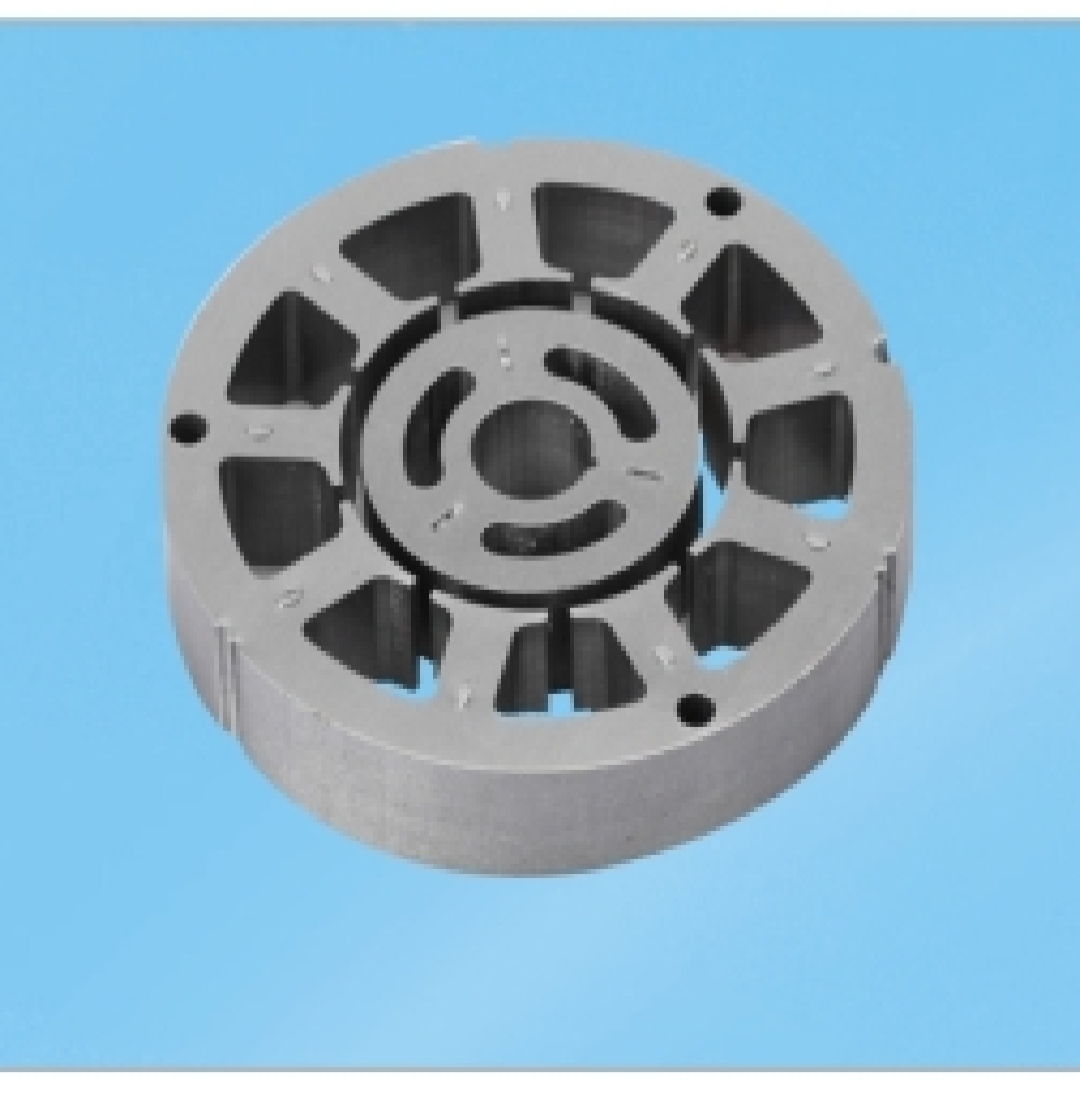
Here's a streamlined overview of key steps and considerations:
Core Components & Materials
-
Stator Core:
-
Material: Thin silicon steel laminations (0.2-0.5mm thick) to reduce eddy currents.
-
Process: Laser cutting or stamping → Stacking & bonding → Insulation coating → Slot winding prep.
-
-
Windings (Copper Coils):
-
Process: Automated winding machines insert enameled copper wire into stator slots → Precise tension control → Terminal connections → Impregnation with high-temp epoxy/varnish (for moisture resistance, vibration protection).
-
-
Rotor:
-
Magnets: High-grade sintered Neodymium Iron Boron (NdFeB) magnets (strongest for size).
-
Assembly: Magnets bonded/inserted onto steel rotor core → Dynamic balancing → Shaft press-fitting.
-
-
Shaft:
-
Material: Hardened stainless steel or carbon steel.
-
Features: Precision-machined with flats/splines for blade attachment + bearing journals.
-
-
Bearings:
-
Type: Sealed ball bearings (e.g., 608ZZ size common).
-
Requirement: High axial/thrust load capacity (from grinding force) + moisture/steam resistance.
-
-
Sensors (Typically Hall Effect):
-
Placement: Mounted on stator PCB near rotor path → Wired to controller.
-
-
Housing & End Caps:
-
Material: Aluminum alloy (heat dissipation) or high-temp plastic.
-
Design: Sealed joints (IP54 rating min.) to block liquid/steam ingress.
-
Key Manufacturing Stages
-
Stator Manufacturing:
-
Lamination stacking → Winding → Varnish dipping/baking → Quality checks (resistance, insulation).
-
-
Rotor Manufacturing:
-
Core machining → Magnet bonding/magnetizing → Shaft press-fitting → Dynamic balancing.
-
-
Assembly:
-
Precision Alignment: Stator fixed in housing → Rotor inserted with precise air gap (0.3-0.5mm).
-
Bearing Installation: Pressed into end caps → Shaft secured.
-
Sensor Integration: Hall sensor PCB mounted/wired.
-
Sealing: Gaskets/O-rings applied → Housing sealed (ultrasonic welding/screws).
-
-
Controller Integration (External but Critical):
-
Dedicated PCB with microcontroller, MOSFETs, capacitors → Programmed for soymilk-specific speed profiles (soft start, pulses, overload protection).
-
Soymilk Maker-Specific Engineering
-
Thermal Management:
-
Aluminum housings act as heatsinks.
-
Thermal paste between stator/housing.
-
Controller monitors motor temp.
-
-
Vibration/Durability:
-
Robust bearing selection.
-
Extra potting/impregnation of windings.
-
Rigorous stress testing.
-
-
Moisture Sealing:
-
IP54 or higher sealing (gaskets, sealed bearings).
-
-
High Starting Torque Design:
-
Optimized magnet strength/stator winding pattern.
-
Thicker wire gauge to handle peak currents.
-
Quality Control & Testing
-
Electrical Tests:
-
Insulation resistance (>100MΩ).
-
Phase resistance/inductance balance.
-
Hall sensor functionality.
-
-
Performance Tests:
-
No-load speed/current.
-
Torque-speed curve validation (critical for bean grinding).
-
Efficiency mapping.
-
-
Environmental Tests:
-
Thermal cycling (e.g., -20°C to 120°C).
-
Vibration/shock resistance (simulates blending).
-
Humidity/moisture exposure.
-
-
Endurance Testing:
-
Simulated soymilk cycles (e.g., 500+ cycles at max load).
-
Bearing life tests.
-
Supply Chain & Cost Considerations
-
Magnets & Copper: Major cost drivers; supply volatility requires strategic sourcing.
-
Automation: Essential for winding, assembly precision, and cost control.
-
Localization: Many manufacturers source stators/rotors from specialized motor factories (China, Taiwan, Japan), finalizing assembly near appliance lines.
Why In-House Motor Production is Rare
Most soymilk maker brands source motors from specialized BLDC manufacturers rather than making them fully in-house due to:
-
High capital costs for winding/magnet assembly lines.
-
Need for core motor expertise.
-
Economies of scale at dedicated motor factories.
Key to Success
A soymilk maker BLDC motor’s reliability hinges on:
-
Precision tolerances (air gap, balancing).
-
Material quality (magnets, bearings, wire).
-
Rigorous sealing against steam/foam.
-
Thermal design for sustained high-torque operation.
-
Controller-motor integration (smart overload protection).
Manufacturing these motors requires tight collaboration between motor engineers, material scientists, and appliance designers to balance performance, durability, and cost for the demanding soymilk environment.
What is elevator BLDC Motor?
Why BLDC Motor is important for soymilk maker?
Related Article


