
What is Inrunner Motor in BLDC Motor classification?
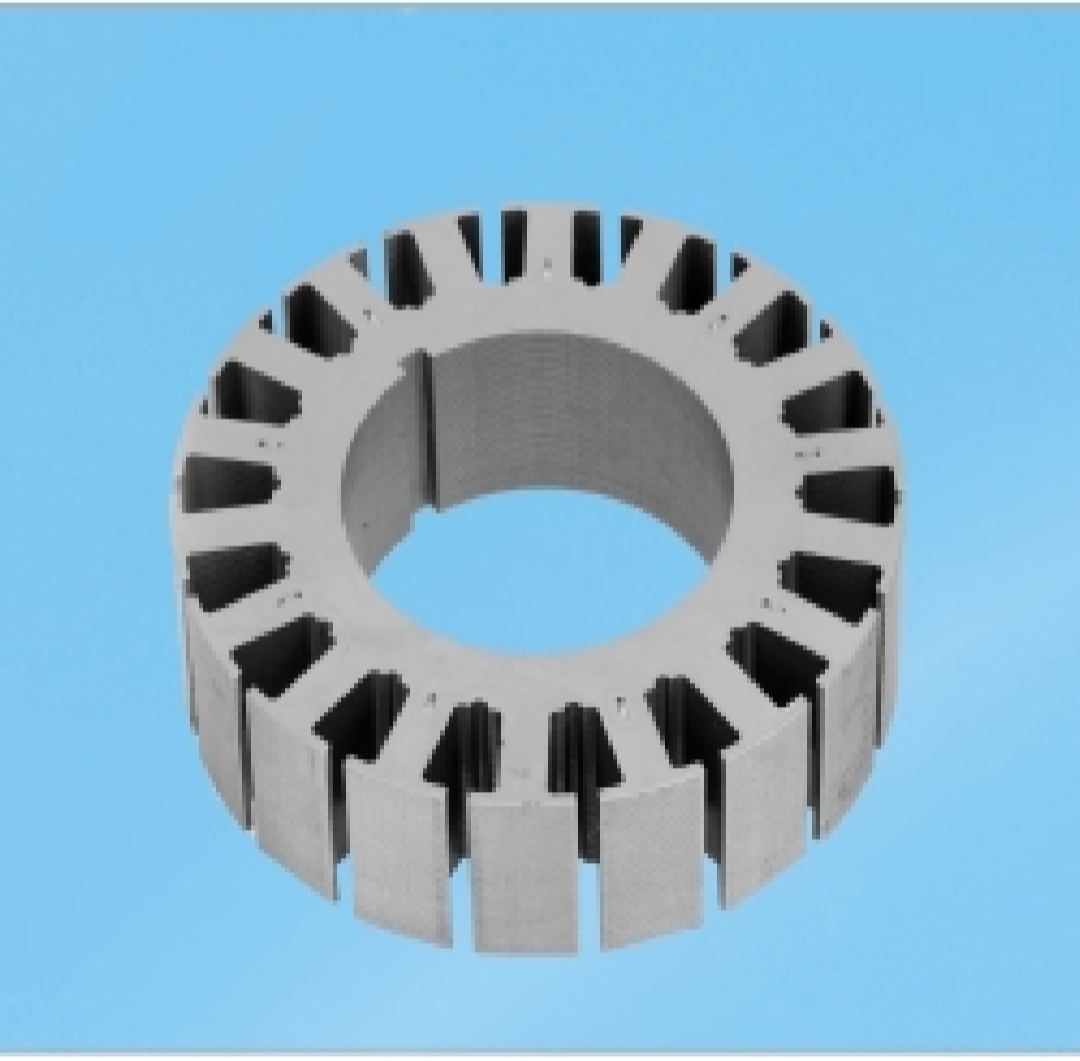
Here's a breakdown of what defines an inrunner motor:
-
Core Structure:
-
Rotor (Rotating Part): Contains the permanent magnets. This is the inner core of the motor.
-
Stator (Stationary Part): Contains the electromagnetic windings (coils). This surrounds the rotor.
-
-
Rotation:
-
The inner rotor (with magnets) rotates.
-
The outer stator (with windings) remains stationary.
-
-
Physical Appearance:
-
Typically has a smaller diameter relative to its length (more cylindrical).
-
The outer casing is fixed and doesn't rotate.
-
-
Key Characteristics & Advantages:
-
High RPM Capability: The smaller diameter rotor has lower rotational inertia, allowing it to spin up and down very quickly and achieve very high speeds (often tens of thousands of RPM).
-
Good High-Speed Efficiency: Well-suited for applications where high rotational speed is the primary requirement.
-
Easier Cooling: The stationary stator windings (where most heat is generated) are directly exposed to the outer casing, making it relatively easier to cool (e.g., via fins, airflow, or liquid cooling jackets).
-
Lower Rotor Inertia: Beneficial for applications requiring rapid acceleration/deceleration.
-
Typically Higher Power Density (in certain contexts): Can pack more power into a smaller diameter package, advantageous where space constraints limit diameter but allow length.
-
-
Common Applications:
-
High-Speed RC Vehicles: Cars, boats, helicopters (main motor).
-
Power Tools: Drills, grinders, saws (where high speed is needed directly or easily geared down).
-
Industrial Spindles: CNC machines, milling, grinding, high-speed machining.
-
Pumps and Compressors: Where high rotational speed is required.
-
Fans and Blowers: Especially high-speed centrifugal types.
-
Robotics: Joints requiring high speed.
-
Electric Turbochargers/Superchargers.
-
Contrast with Outrunner Motors:
-
Outrunner: The permanent magnets are attached to an outer shell (rotor) which rotates around a stationary inner core (stator) containing the windings.
-
Key Differences: Generally higher torque at lower RPMs, larger diameter relative to length, rotating outer casing, often used in drones (propellers), electric bikes, and applications needing high direct drive torque.
-
In Summary:
An inrunner BLDC motor is defined by its rotating inner permanent magnet rotor surrounded by a stationary outer stator with electromagnetic windings. Its strengths lie in high rotational speeds, lower rotor inertia, and often easier cooling of the stator, making it ideal for applications demanding high RPMs and rapid acceleration.
Why Inrunner Motor is important in BLDC Motor classification?
How to make Outrunner Motor in BLDC Motor classification?
Related Article


