
How to Make FPV Drone Lamination Stack?
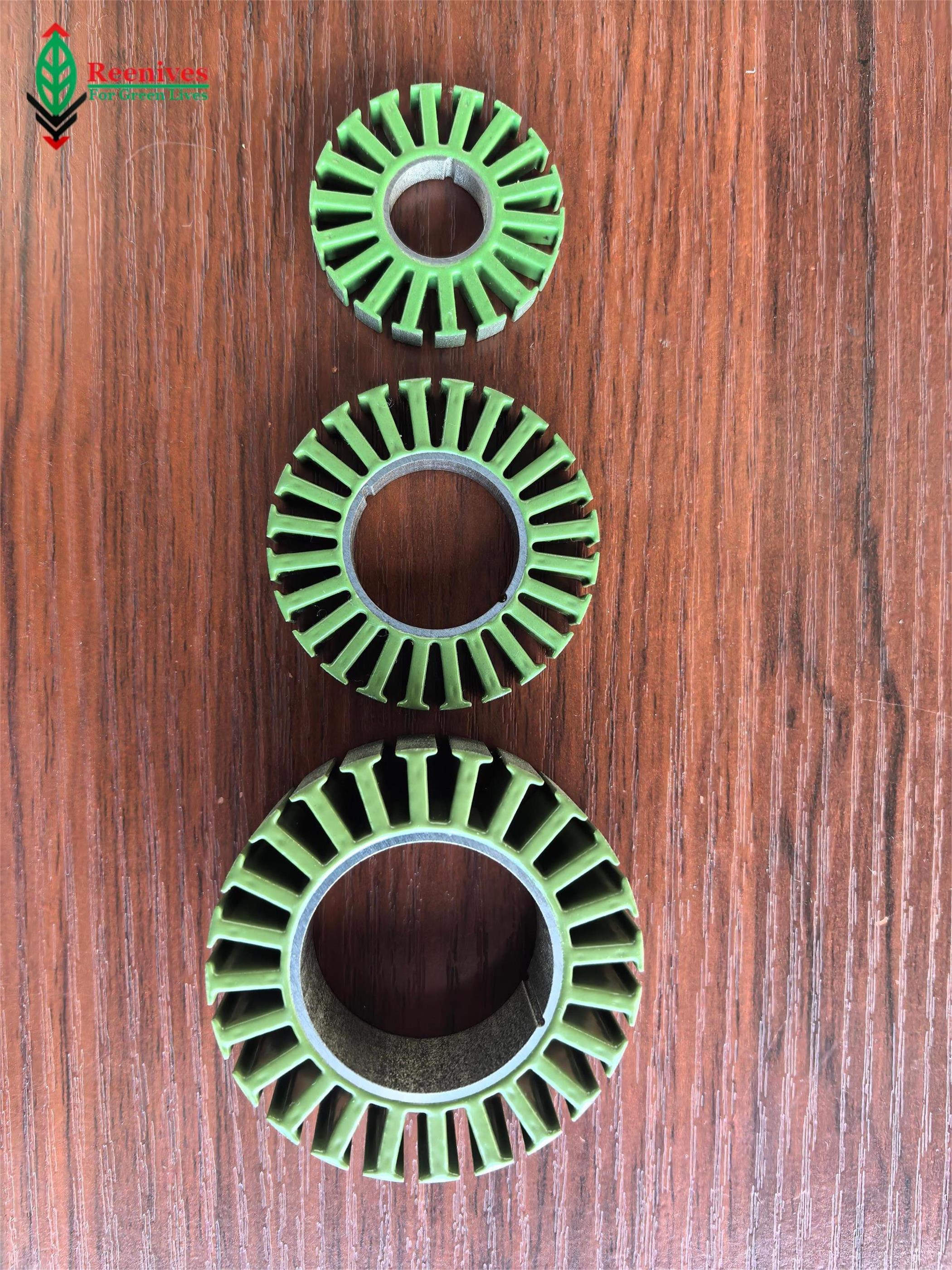
How to Make FPV Drone Lamination Stack: A Complete Guide to Stator Core Assembly
Table of Contents
-
Introduction to FPV Drone Lamination Stack
-
What is a Motor Lamination Stack?
-
Materials and Tools Required
-
Step-by-Step Manufacturing Process
-
Popular FPV Motor Stacks vs Agricultural Motor Stacks
-
Expert Insights on Lamination Technology
-
Frequently Asked Questions
Introduction to FPV Drone Lamination Stack
The FPV drone lamination stack (also called the stator core) is the heart of your brushless motor. It consists of thin, insulated silicon steel sheets stacked together to form a magnetic circuit that converts electrical energy into mechanical motion. For FPV pilots, understanding how to make or select the right lamination stack can mean the difference between a punchy freestyle build and an efficient long-range cruiser.
According to manufacturing experts, the stator assembly line process includes core loading, precision winding, and insulation coating -10. This guide will walk you through the entire process of creating a high-performance lamination stack for FPV applications.
What is a Motor Lamination Stack?
A lamination stack is created by stacking dozens of thin electrical steel sheets, each coated with an insulating layer. This design serves a critical purpose: reducing eddy current losses that would otherwise waste energy and generate heat.
Why Lamination Thickness Matters
The thickness of each lamination directly impacts motor performance:
-
Thinner laminations (0.10mm-0.15mm) : Reduce eddy current losses, improve efficiency, and allow faster magnetic field switching -3
-
Standard laminations (0.20mm) : Offer good balance between cost and performance for most applications -5-7
Recent breakthroughs in FPV motor technology have introduced 0.10mm ultra-thin stator cores, which deliver a proven efficiency gain of 0.1-0.2g/W compared to conventional 0.15mm cores -3.
Materials and Tools Required
Before beginning your lamination stack project, gather these essential items:
Core Materials
| Material | Specification | Purpose |
|---|---|---|
| Silicon steel sheets | 0.10mm-0.20mm thickness | Magnetic circuit |
| Insulation coating | Epoxy or C-class | Prevent inter-lamination shorts |
| High-temperature enameled wire | 180℃-220℃ rating | Motor windings -5 |
Tools and Equipment
-
Precision stamping die
-
Stacking fixture
-
Insulation spray system
-
Curing oven
-
Winding machine -10
Step-by-Step Manufacturing Process
H2: Step 1: Stamping the Laminations
The process begins with stamping individual laminations from high-grade silicon steel. Each lamination must be perfectly flat and burr-free to ensure proper stacking.
H2: Step 2: Insulation Coating
Each lamination receives an insulating coating, typically rated for 180℃-220℃ high temperature resistance -5. This coating prevents electrical current from flowing between laminations, forcing magnetic flux to follow the intended path.
H2: Step 3: Stacking and Bonding
H3: Alignment Techniques
Precise alignment of laminations is crucial. Manufacturers use:
-
Interlocking features punched into each lamination
-
Temporary stacking fixtures
-
Laser alignment systems
H3: Bonding Methods
-
Heat curing: Activates pre-applied adhesive coatings
-
Welding: Creates small welds along the stack edge
-
Mechanical clamping: Uses end plates to compress the stack
For detailed information on stator core fabrication, check out our previous guide: How to Make Drone Stator Core? .
H2: Step 4: Insulation Treatment
The completed stack undergoes electroplating rustproof and anti-corrosive treatment for agricultural applications, though FPV motors may skip this for weight savings -2.
H2: Step 5: Winding Preparation
Before winding, the stack receives additional insulation at the slot edges to protect magnet wire during the winding process.
Popular FPV Motor Stacks vs Agricultural Motor Stacks
Understanding the differences between FPV and agricultural motor stacks helps you choose the right component for your application.
H2: Popular FPV Motor Lamination Stacks
| Motor Model | Stator Size | Lamination Thickness | Slot/Pole | Key Features | Application |
|---|---|---|---|---|---|
| RTF 4315 | Φ43×15mm | 0.20mm | 12N14P | 220℃ enameled wire, 5% higher slot fill rate -5 | FPV freestyle/Long-range |
| 4214-380KV | Φ42×14mm | 0.20mm (typical) | 12N14P | Aerospace-grade precision -1 | Heavy-lift FPV |
| 0702 (2026) | Φ7×2mm | 0.10mm (industry first) | - | 0.1-0.2g/W efficiency gain -3 | Ultra-light whoop |
| 08028 | 8.4×2.8mm | 0.20mm | - | Optimized for efficiency over power -7 | Micro FPV |
H2: Agricultural Drone Motor Lamination Stacks
| Motor Model | Stator Size | Lamination Thickness | Special Features | Application |
|---|---|---|---|---|
| XRotor PRO 6215 | - | - | Electroplated rustproof treatment -2 | 20-30L agri drones |
| A12-24S | 111×15mm | - | IPX6 waterproof, centrifugal cooling -6 | 30-40L agri drones |
| LN8318D60-001 | 83×18mm | - | IP35 dustproof, salt spray resistant -9 | Heavy-duty spraying |
H2: Head-to-Head Comparison: FPV vs Agricultural Stacks
| Parameter | FPV Motor Stack | Agricultural Motor Stack |
|---|---|---|
| Lamination Thickness | 0.10mm-0.20mm -3-5 | 0.20mm+ |
| Efficiency Priority | Power-to-weight ratio | Continuous duty cycle |
| Protection Coating | Minimal (weight savings) | Heavy (IPX7, electroplated) -2-9 |
| Typical Operating Temp | High (short bursts) | Moderate (sustained) |
| Cost Focus | Performance/gram | Durability/lifetime |
| Winding Insulation | 180℃-220℃ class -5 | Double vacuum-dipped -2 |
H2: Pros and Cons Summary
H4: FPV Motor Stacks - Advantages
-
Higher power-to-weight ratio for aggressive maneuvers
-
Thinner laminations available for maximum efficiency -3
-
Rapid heat dissipation during short flights
H4: FPV Motor Stacks - Disadvantages
-
Limited environmental protection (not waterproof)
-
Shorter continuous run time at full throttle
-
Less robust construction for crash survival
H4: Agricultural Motor Stacks - Advantages
-
Superior corrosion resistance for chemical environments -2-9
-
Extended continuous operation capability -6
-
Heavy-duty bearings and shaft designs
H4: Agricultural Motor Stacks - Disadvantages
-
Higher weight reduces aircraft payload
-
Greater rotational inertia affects responsiveness
-
Premium cost for protective features
Expert Insights on Lamination Technology
H2: Industry Expert Perspectives
Dr. Hun Oh and colleagues, in their research on drone-mounted BLDC motors, note: "The cartridge-type BLDC motor stator is manufactured by stacking several cartridges on each tooth. Various performances can be produced according to the connection state of the cartridges" -4-8. This modular approach allows manufacturers to tune motor characteristics for specific applications.
T-MOTOR engineers emphasize that modern agricultural motors achieve over 92% efficiency at optimal throttle ranges through advanced lamination design and FOC algorithms -6.
BETAFPV's development team states that their 0.10mm stator core represents an "industry-first" breakthrough, "maximizing efficiency and reducing heat by minimizing magnetic losses" -3.
H2: The Future of Lamination Technology
According to manufacturing solution providers, next-generation FPV motors will feature:
-
Even thinner laminations (sub-0.05mm amorphous metals)
-
Advanced cooling channels integrated into the stack
-
Modular tooth designs for customized performance -10
Frequently Asked Questions
H3: Q1: What is the ideal lamination thickness for FPV racing motors?
For racing applications, 0.15mm laminations offer the best balance between high-speed performance and cost. However, the latest 0.10mm ultra-thin laminations provide measurable efficiency gains of 0.1-0.2g/W, making them ideal for competition use where every gram of thrust matters -3.
H3: Q2: Can I use agricultural motor stacks in FPV drones?
Technically yes, but it's not recommended. Agricultural motor stacks are significantly heavier and designed for sustained low-RPM operation. They lack the quick throttle response needed for FPV flying and will make your drone feel sluggish -2-9.
H3: Q3: How do I prevent corrosion in my FPV motor stack?
FPV motors typically aren't designed for wet environments. To maximize lifespan:
-
Avoid flying in rain or high humidity
-
Apply silicone conformal coating to exposed stator surfaces
-
Store drones in dry conditions
-
Consider agricultural-grade motors if you must fly in corrosive environments -2
H3: Q4: What's the difference between 12N14P and 9N12P configurations?
12N14P (12 slots, 14 poles) offers smoother torque and better cogging performance, ideal for precision control. 9N12P configurations are lighter but may have more torque ripple. Most modern FPV motors use 12N14P for its balance of performance and efficiency -1-5.
H3: Q5: How does stator stack height affect motor performance?
Taller stacks (increased stator height) provide more torque and higher power handling at the expense of weight. For example, the 15mm stack height in RTF 4315 motors supports up to 7.18kg thrust, while shorter stacks prioritize quick spool-up for racing -5.
H3: Q6: What maintenance does a motor lamination stack require?
FPV motor stacks require minimal maintenance:
-
Regular cleaning to remove dust and debris
-
Check for bent shafts after crashes
-
Listen for bearing noise indicating wear
-
Inspect windings for damaged insulation
Agricultural motors need more intensive care, including freshwater rinsing after chemical exposure -6.
H3: Q7: Are hand-wound stators better than machine-wound?
Hand winding allows for optimized wire placement and higher copper fill, potentially improving efficiency. However, modern automated winding machines achieve consistent, repeatable results with precision that's difficult to match manually -10. For most pilots, high-quality machine-wound stators perform excellently.
Conclusion
Creating the perfect FPV drone lamination stack requires understanding the delicate balance between efficiency, power delivery, and durability. While FPV applications demand thin laminations and lightweight construction for agile performance, agricultural applications prioritize corrosion resistance and continuous duty capability.
By following the manufacturing steps outlined above and selecting appropriate materials for your specific use case, you can achieve optimal motor performance. Whether you're building a sub-250g whoop with 0.10mm ultra-thin laminations or a heavy-lift agricultural drone with electroplated corrosion protection, the stator stack remains the foundation of your propulsion system.
For more detailed information on stator fabrication techniques, refer to our comprehensive guide on How to Make Drone Stator Core .
What is Drone Outrunner Stator Core?
Why Lamination Stack is Important for FPV Drone?
Related Article


