
What is toothbrush BLDC Motor?
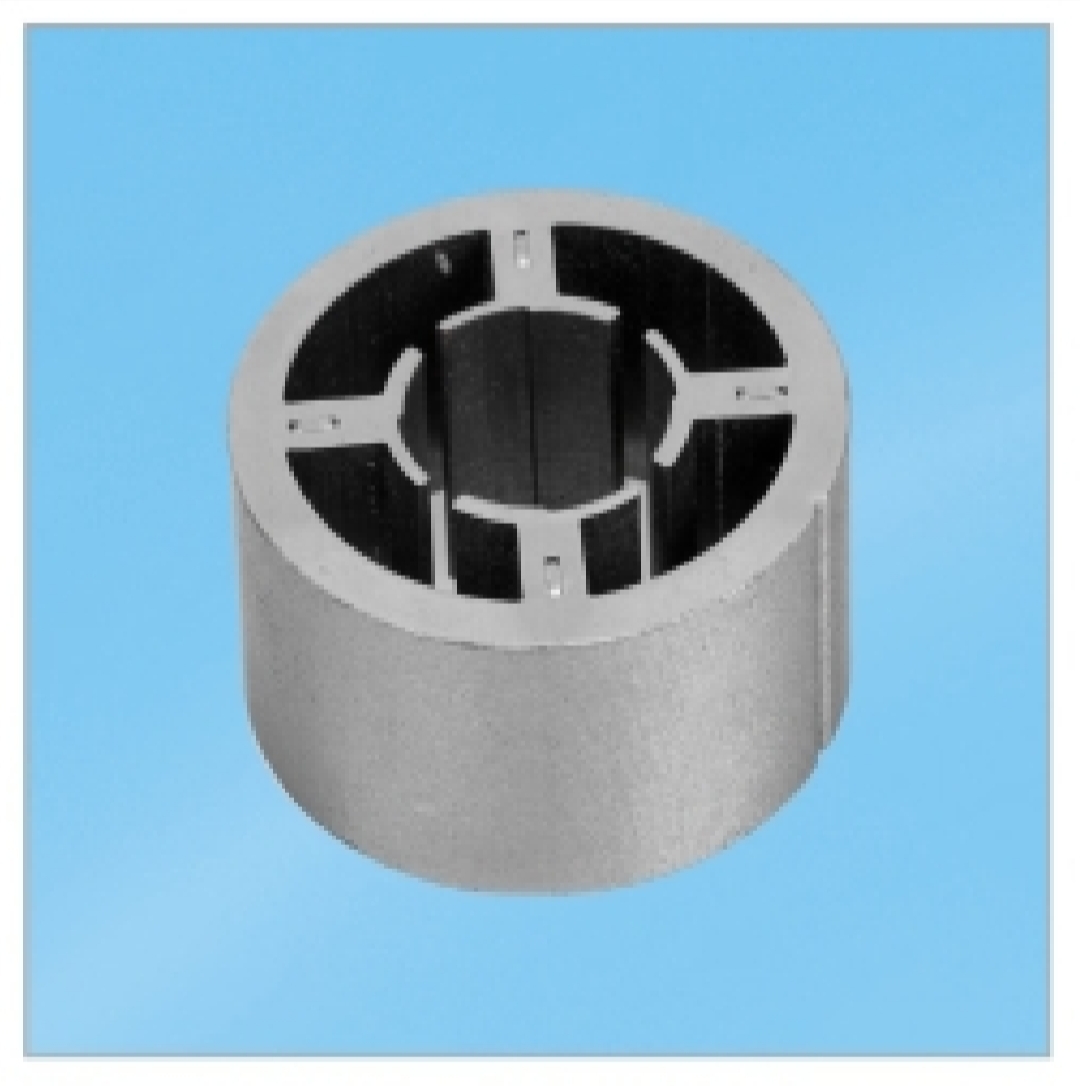
Here's a breakdown of what it is and why it's used:
-
Brushless DC (BLDC) Motor Fundamentals:
-
No Brushes: Unlike traditional brushed DC motors, BLDC motors don't have physical brushes and a commutator to transfer power to the rotating part (rotor). Instead, the rotor contains permanent magnets.
-
Electronic Commutation: An electronic controller (a small circuit board within the toothbrush handle) precisely switches the current flowing through stationary coils (stator windings) in sequence. This creates a rotating magnetic field that "pulls" the permanent magnet rotor around without any physical contact.
-
Core Components:
-
Stator: Stationary part with copper wire coils.
-
Rotor: Rotating part with permanent magnets.
-
Controller: Electronic circuit that senses the rotor position (often using Hall effect sensors or by measuring back-EMF) and switches the current to the stator coils accordingly.
-
-
-
Why BLDC Motors are Ideal for Electric Toothbrushes:
-
High Efficiency: Significantly less energy is lost as heat and friction compared to brushed motors. This translates directly to longer battery life on a single charge, a crucial feature for a daily-use portable device.
-
Long Lifespan & Reliability: The absence of brushes eliminates the main wear-and-tear component in traditional motors. BLDC motors are much more reliable and last longer, often outlasting the brush head or even the battery.
-
Compact Size & High Power Density: BLDC motors can be designed to be very small and lightweight while still delivering significant torque and speed. This is essential for fitting a powerful motor into the slim handle of a toothbrush.
-
Precise Speed Control: The electronic controller allows for very accurate and consistent control over the motor's speed and torque. This enables features like:
-
Multiple brushing modes (e.g., Clean, Sensitive, Whitening, Gum Care).
-
Consistent performance regardless of battery charge level (until very low).
-
Maintaining high speed under load (e.g., when pressing against teeth).
-
-
Low Noise & Vibration: While sonic toothbrushes are inherently vibratory, BLDC motors generally operate more smoothly and quietly than comparable brushed motors due to the absence of brush friction and sparking.
-
High Torque at Low Speeds: They can provide strong rotational force even at the relatively low speeds (or high frequencies for sonic brushes) needed for effective cleaning.
-
Reduced Electromagnetic Interference (EMI): The electronic commutation generates less electrical "noise" than the sparking of brushes in a traditional motor.
-
-
How it Works in a Toothbrush:
-
The user presses a button to select a mode.
-
The toothbrush's microcontroller sends instructions to the BLDC motor controller.
-
The BLDC controller precisely energizes the stator coils in sequence, creating a rotating magnetic field.
-
This field interacts with the permanent magnets on the rotor, causing it to spin.
-
The rotor's motion is mechanically transferred (via a small drive shaft or linkage) to the brush head, creating the specific brushing action (oscillating-rotating, sonic vibration, or linear movement).
-
In summary: A toothbrush BLDC motor is a sophisticated, electronically controlled, brushless motor that provides the efficient, reliable, powerful, quiet, and precisely controllable motion needed for modern electric toothbrushes. Its advantages in efficiency, size, lifespan, and control make it the dominant motor technology in high-quality electric toothbrushes today.
Why BLDC Motor is important for toothbrush?
How to make shaver BLDC Motor?
Related Article


