
What is Gimbal Motor in BLDC Motor classification?
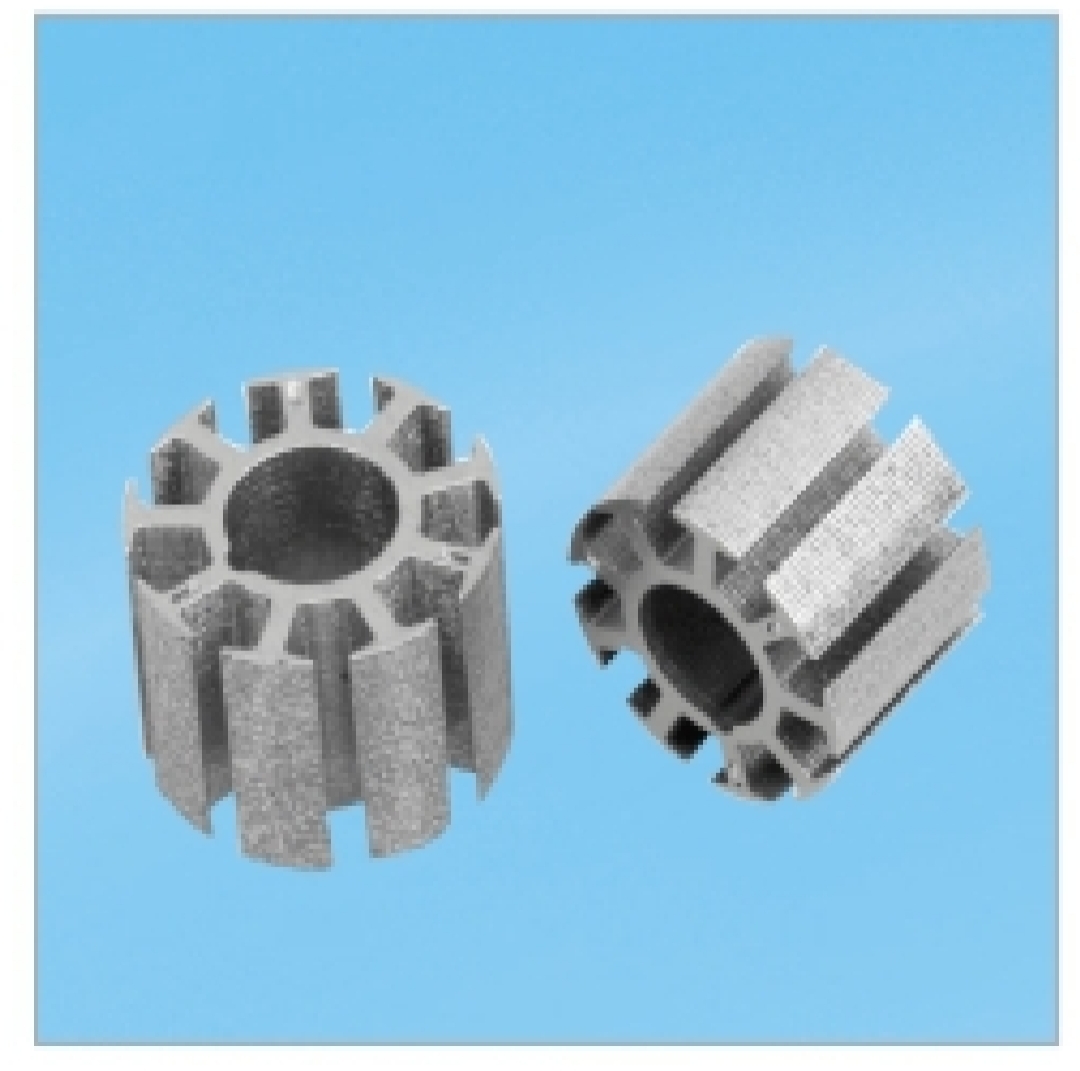
Here's a technical breakdown:
Key Characteristics of Gimbal Motors:
-
Ultra-Low Cogging Torque
-
Designed with skewed stator laminations or special winding patterns to minimize torque ripple.
-
Essential for vibration-free movement in camera gimbals.
-
-
High Pole Count
-
Typically 14–22 poles (vs. 4–12 in standard BLDC motors).
-
Enables finer control and smoother rotation at low speeds.
-
-
Sensorless FOC (Field-Oriented Control) Compatibility
-
Optimized for precise torque control via FOC algorithms.
-
Eliminates the need for Hall sensors (reducing size/cost).
-
-
Compact & Lightweight Design
-
Thin stators and hollow shafts for minimal inertia.
-
Weight-optimized for handheld/drone applications.
-
-
Low KV Rating
-
Typically 50–150 RPM/V (vs. 500–3000+ in propulsion motors).
-
Prioritizes torque over speed.
-
Why Standard BLDC Motors Fail in Gimbals:
| Feature | Standard BLDC Motor | Gimbal-Optimized BLDC |
|---|---|---|
| Cogging | High (audible vibrations) | Near-zero |
| Control | Speed-focused | Torque-precision focused |
| Poles | Low (4–12) | High (14–22) |
| KV Rating | High (>500) | Low (<150) |
Applications:
-
Camera Stabilization: DJI Ronin, Zhiyun Crane.
-
Drone Gimbals: 3-axis aerial camera control.
-
Robotics: Joints requiring smooth articulation.
Design Trade-Offs:
-
Pros: Silky-smooth motion, high torque accuracy, compactness.
-
Cons: Lower max speed, not suitable for propulsion/high-RPM tasks.
In essence, "gimbal motor" isn’t a formal BLDC subclass but an application-driven specialization emphasizing minimal vibration and sub-degree precision. They leverage BLDC fundamentals but prioritize control fidelity over power/speed.
Why Gimbal Motor is important in BLDC Motor classification?
How to make Pump Motor in BLDC Motor classification?
Related Article


