
What is vehicle water pump BLDC Motor?
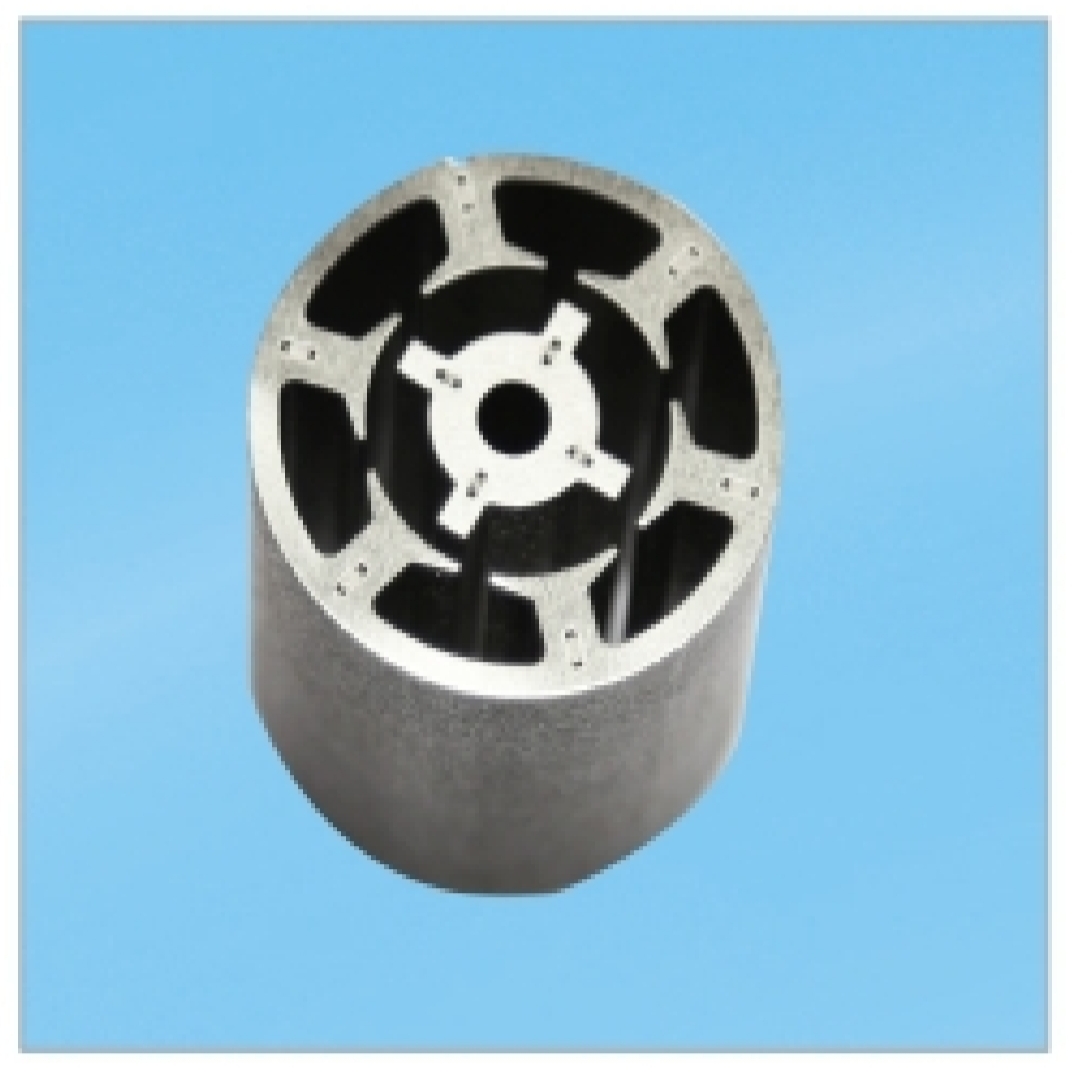
Here's a breakdown of what it is and why it's important:
-
Core Function: To circulate engine coolant (and sometimes transmission fluid, battery coolant, or power electronics coolant) through the engine block, radiator, heater core, and other heat exchangers to regulate operating temperature.
-
BLDC Motor Technology:
-
Brushless: Unlike traditional brushed DC motors, BLDC motors have no physical brushes or commutator for switching current. This eliminates friction, sparking, wear, and associated maintenance.
-
Electronic Commutation: Current flow to the motor windings is switched electronically (using a controller) based on feedback from sensors (usually Hall effect sensors) that detect the rotor's position.
-
Permanent Magnet Rotor: The rotor contains powerful permanent magnets (often Neodymium Iron Boron - NdFeB).
-
Stator Windings: The stationary part has copper windings arranged in phases (typically 3-phase).
-
-
Key Advantages for Vehicle Water Pumps:
-
High Efficiency: BLDC motors convert electrical energy to mechanical energy very efficiently (often >80-90%), reducing parasitic load on the vehicle's electrical system and improving overall fuel efficiency (in ICE/hybrids) or increasing EV range.
-
Precise Speed Control: The motor's speed can be controlled extremely precisely by the Engine Control Unit (ECU) or a dedicated pump controller via Pulse Width Modulation (PWM). This allows for:
-
Demand-Based Cooling: The pump speed (and thus coolant flow) adjusts instantly based on real-time engine/component temperature, load, and ambient conditions. No more overcooling or delayed warming up.
-
Optimized Warm-Up: Faster engine warm-up (improving efficiency and reducing emissions) by running the pump slowly or even stopping it initially.
-
Post-Engine Shutoff Cooling: Continuing to run after the engine is off ("after-run") to cool hotspots like turbochargers or batteries.
-
Reduced Load: Running only as fast as needed reduces electrical load.
-
-
Improved Reliability & Longevity: The absence of brushes eliminates a major wear point, making BLDC pumps significantly more reliable and longer-lasting than brushed alternatives.
-
Compact Size & High Power Density: BLDC motors offer high torque and power in a relatively small package.
-
Reduced Noise & Vibration: Smoother operation compared to brushed motors or mechanically driven pumps.
-
Flexible Mounting: Can be placed optimally for packaging and thermal management, independent of the engine's accessory drive belt location.
-
-
Applications in Modern Vehicles:
-
Conventional Engines (ICE): Replacing belt-driven pumps for superior efficiency and control.
-
Hybrid Electric Vehicles (HEVs/PHEVs): Essential for managing the thermal loads of both the internal combustion engine and the electric drive system/battery.
-
Battery Electric Vehicles (BEVs): Crucial for cooling the high-voltage battery pack, power electronics (inverter, DC-DC converter), and the electric motor(s). BEVs often have multiple independent BLDC coolant pumps for different circuits.
-
High-Performance/Turbocharged Engines: Provides the precise cooling needed under extreme loads.
-
Aftermarket Performance Upgrades: Used to replace less efficient mechanical pumps.
-
-
Components of the System:
-
BLDC Motor: The core electric motor.
-
Pump Housing & Impeller: The hydraulic part that moves the coolant. Usually integrated directly with the motor.
-
Electronic Controller (Often Integrated): Contains the power electronics (MOSFETs) and logic to drive the motor phases based on PWM input from the ECU and rotor position feedback.
-
Position Sensors (Usually Hall Effect): Detect the rotor's magnetic field position for precise commutation.
-
Electrical Connector: Supplies power (typically 12V, sometimes higher voltage in hybrids/EVs) and receives the PWM control signal from the ECU.
-
In essence: A vehicle water pump BLDC motor is a smart, efficient, and reliable electrically driven pump that provides precise, demand-based coolant flow control. It's a critical enabler for modern engine efficiency, emissions reduction, hybrid/electric vehicle performance, battery thermal management, and overall vehicle thermal system sophistication.
Why BLDC Motor is important for vehicle water pump?
How to make vehicle oil pump BLDC Motor?
Related Article


