
How to make ventilation setup BLDC Motor?
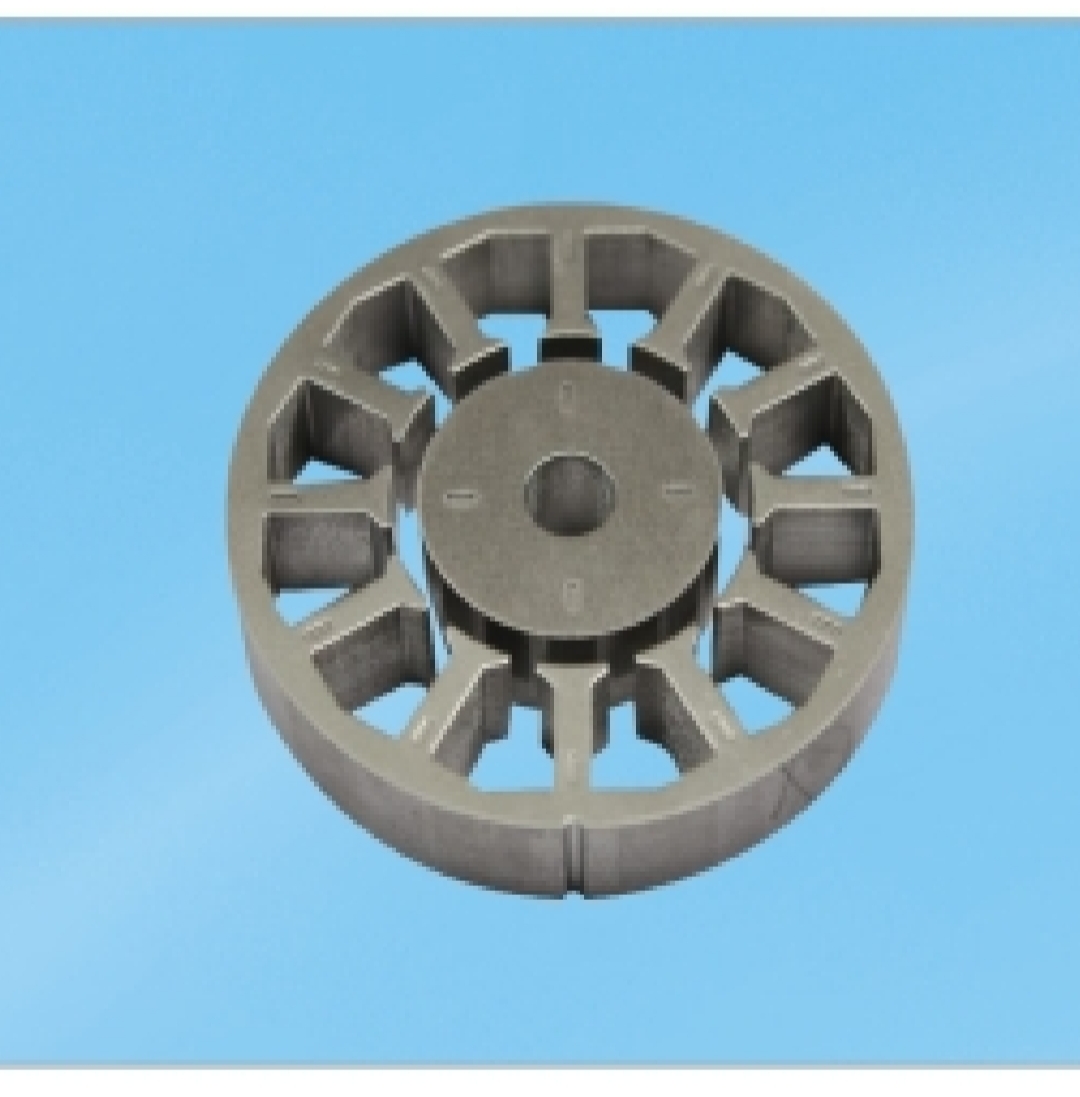
Here’s a step-by-step guide:
1. Planning & Component Selection
| Component | Requirements |
|---|---|
| BLDC Motor | - Match voltage (e.g., 24V/48V DC) and power (e.g., 50W-500W) to your fan load. - Choose sensored (Hall sensors) for reliable low-speed control, or sensorless for cost savings. |
| Fan/Blower Impeller | - Select based on airflow needs (CFM) and static pressure. - Ensure mechanical compatibility with the motor shaft. |
| Electronic Controller | - Must support your motor’s voltage/current and commutation type (trapezoidal/sinusoidal). - Look for PWM, 0-10V, or UART control inputs. |
| Power Supply | - AC-to-DC converter rated 20% above motor’s max current (e.g., 24V/10A for a 24V/8A motor). |
| Control Interface | - Thermostat, speed knob, or microcontroller (e.g., Arduino with BLDC shield). |
| Sensors (Optional) | - Temperature/humidity sensors for automated control. |
2. Assembly & Wiring
Mechanical Setup
-
Secure the motor to a frame/duct using vibration-damping mounts.
-
Attach the impeller to the motor shaft with a setscrew or adhesive.
-
Ensure unobstructed airflow around the motor for cooling.
Electrical Connections
   [AC Mains] → [Power Supply] → [Controller] → [BLDC Motor]
                   │                   │
               [DC Voltage]      [Control Signal Input]
                                 (e.g., PWM from Arduino)
-
Motor-Controller Wiring:
-
Connect motor phases (U/V/W) exactly as per controller manual.
-
For sensored motors: Connect Hall sensor wires (typically 5 pins).
-
-
Power Wiring:
-
Use thick wires for high-current paths (e.g., 16 AWG for 10A).
-
Add an inline fuse (125% of motor’s rated current).
-
-
Control Wiring:
-
Connect speed signal source (e.g., Arduino PWM → controller input).
-
3. Controller Configuration
Configure via dip switches, software, or potentiometers:
-
Commutation Type: Set trapezoidal (default) or FOC (sinusoidal).
-
Control Mode: Choose PWM/0-10V for speed control.
-
Protections:
-
Set current limit (to motor’s rated current).
-
Enable thermal shutdown (if supported).
-
-
Soft Start: Ramp up speed over 2-5 seconds to reduce inrush current.
4. Control System Integration
-
Basic Control: Use a potentiometer for manual speed adjustment.
-
Smart Control (Arduino Example):
arduino复制下载// Use analogWrite(pin, duty_cycle) for PWM control int pwmPin = 9; // PWM output pin to controller void setup() { pinMode(pwmPin, OUTPUT); } void loop() { int speed = map(analogRead(A0), 0, 1023, 0, 255); // Read potentiometer analogWrite(pwmPin, speed); // Send PWM signal (0-255 = 0-100% speed) } -
Add sensors (e.g., DHT22) to trigger high speed when temperature exceeds 30°C.
5. Testing & Safety
-
No-Load Test: Run without the impeller to verify motor rotation.
-
Load Test: Attach impeller and check startup torque.
-
Measurements:
-
Current draw at different speeds (should not exceed motor rating).
-
Motor temperature (should stay <80°C).
-
-
Safety Checks:
-
Secure all wiring with cable ties.
-
Insulate exposed contacts with heat shrink tubing.
-
Ground metal parts to prevent electric shock.
-
6. Troubleshooting Common Issues
| Issue | Solution |
|---|---|
| Motor doesn’t start | Check phase wiring; verify Hall sensor alignment. |
| Overheating | Reduce load; improve cooling; check for voltage drop. |
| Unstable speed | Ensure stable power supply; check control signal stability. |
| Vibration/Noise | Rebalance impeller; tighten mounts. |
Required Tools
-
Multimeter, oscilloscope (for signal checks).
-
Screwdrivers, wire strippers, soldering iron.
-
Thermal camera or IR thermometer (for temp checks).
Example Bill of Materials (Small Setup)
| Item | Example Product/Specs |
|---|---|
| BLDC Motor | 24V, 80W, 3000 RPM (ebm-papst G1G133-AB55) |
| Controller | VESC 6 (supports 24V/50A) |
| Power Supply | 24V/10A AC-DC converter (Mean Well LRS-200-24) |
| Impeller | 120mm axial fan blade |
| Microcontroller | Arduino Nano + BLDC shield |
Key Considerations
-
Efficiency: Run at 70-80% max speed for optimal energy use.
-
Noise: Sinusoidal control is quieter than trapezoidal.
-
Scalability: For large systems, use CAN bus/MODBUS for multi-motor control.
-
Certifications: For commercial use, ensure components are UL/CE certified.
With careful component matching and thorough testing, you’ll create an efficient, durable ventilation system. Start with low-speed tests and gradually scale up! ?
What is sweeping robot BLDC Motor?
Why BLDC Motor is important in ventilation setup?
Related Article


