
What is elevator BLDC Motor?
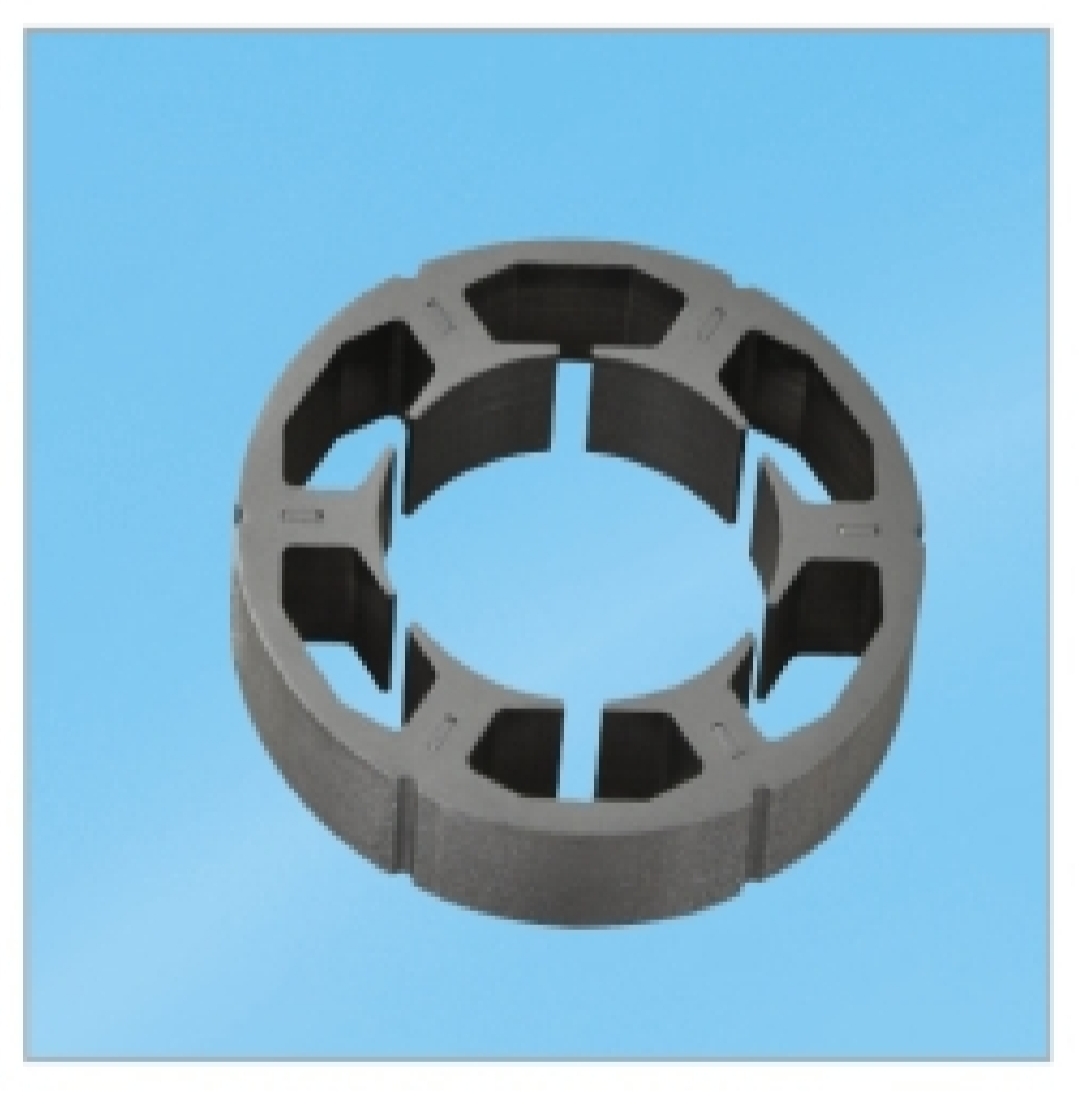
Here's a breakdown of what it is and why it's used in elevators:
-
Core Technology: Brushless DC (BLDC)
-
No Brushes/Commutator: Unlike traditional DC motors, BLDC motors use electronic commutation instead of physical brushes and a commutator ring. This eliminates a major source of friction, wear, sparking, and maintenance.
-
Permanent Magnet Rotor: The rotor has powerful permanent magnets (often rare-earth like Neodymium).
-
Stator Windings: The stationary part (stator) has copper windings arranged in phases (typically 3-phase).
-
Electronic Controller (Drive): This is crucial. An electronic controller (usually integrated with the elevator's VFD) precisely switches current to the stator windings in sequence, creating a rotating magnetic field that "pulls" the permanent magnet rotor around. Hall effect sensors or sensorless techniques detect the rotor's position to time the switching correctly.
-
-
How it Works in an Elevator:
-
The BLDC motor is coupled to the elevator's traction sheave (gearless) or gearbox (geared).
-
The elevator control system sends speed and torque commands to the motor's electronic controller/VFD.
-
The controller precisely regulates the current and voltage supplied to the motor phases.
-
This generates the exact torque needed to accelerate, run at constant speed, decelerate, and hold the elevator car smoothly and efficiently.
-
During descent with a partial or empty load, the motor acts as a generator (regenerative braking), feeding energy back into the building's electrical system.
-
-
Key Advantages of BLDC Motors for Elevators (Why they are preferred):
-
High Efficiency: Significantly more efficient than induction motors or brushed DC motors, especially at partial loads and during regenerative braking. This translates to substantial energy savings in buildings where elevators run constantly.
-
High Power Density & Torque Density: Generate more torque and power for their size and weight compared to induction motors. This allows for more compact machine room requirements or enables powerful gearless designs.
-
Superior Control & Smooth Operation: Electronic commutation enables extremely precise control over speed and torque. This results in:
-
Smother acceleration and deceleration (better passenger comfort).
-
More accurate floor leveling (critical for accessibility and safety).
-
Better holding torque when stopped.
-
-
High Reliability & Low Maintenance: The absence of brushes eliminates brush wear, sparking, dust, and the associated maintenance. Bearings are typically the only wear point requiring scheduled maintenance.
-
Reduced Noise & Vibration: Smoother torque production and lack of brush noise lead to quieter operation.
-
Regenerative Braking: Efficiently captures energy during descending trips with light loads, feeding it back to the building grid, further enhancing energy savings.
-
Wide Speed Range: Can operate efficiently over a wide range of speeds, suitable for different elevator travel heights and performance requirements.
-
-
Types in Elevators:
-
Gearless Traction (Synchronous Permanent Magnet - PMSM): This is the most common modern configuration, especially for mid/high-rise. The BLDC motor (often technically called a Permanent Magnet Synchronous Motor - PMSM in this context) drives the sheave directly at low RPM/high torque. It offers the highest efficiency, compactness, and smoothness. BLDC/PMSM are functionally very similar for elevator applications.
-
Geared Traction: A smaller, higher-speed BLDC motor is coupled to a gearbox that reduces speed and increases torque to drive the sheave. Still offers significant advantages over geared induction motors.
-
In Summary:
An elevator BLDC motor is a highly efficient, electronically controlled, brushless motor utilizing permanent magnets on the rotor. Its superior efficiency, precise control, smooth operation, reliability, regenerative braking capability, and compactness make it the dominant motor technology in modern traction elevator systems, replacing older motor types and driving significant improvements in elevator performance and energy consumption.
Why BLDC Motor is important for elevator?
How to manufacture soymilk maker BLDC Motor?
Related Article


