
Why BLDC Motor is important for electric feeder?
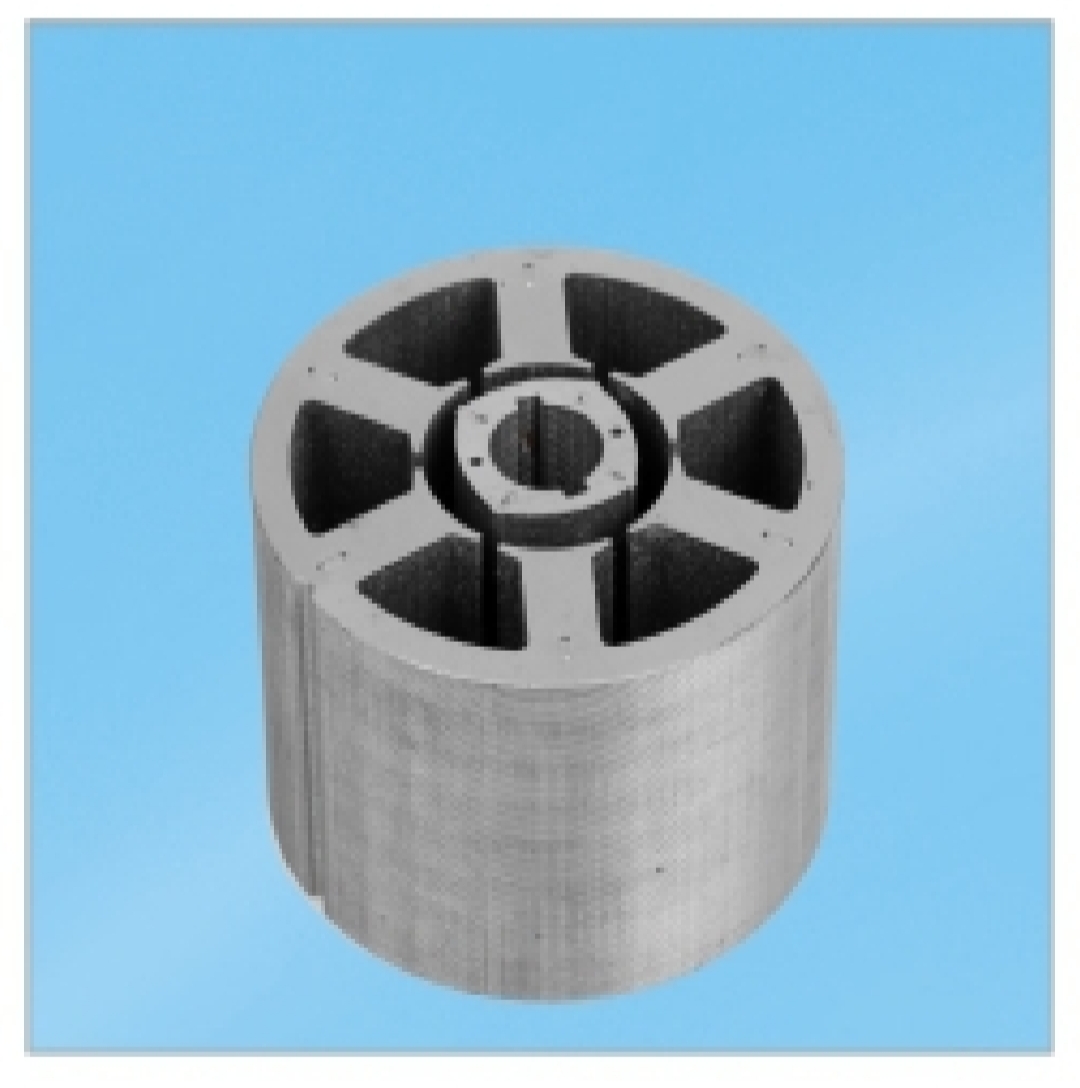
Its importance can be summarized in a few key areas:
1. Unmatched Precision and Control
This is the single most important reason.
-
What it means: A BLDC motor, paired with its electronic controller, allows for extremely precise and stable speed control, regardless of changes in load, voltage, or temperature.
-
Why it's important for feeders: The feed rate (parts per minute) is the most critical output of a feeder. Any fluctuation in motor speed directly causes a fluctuation in the feed rate.
-
BLDC Solution: It maintains a constant speed even if the load in the hopper gets heavier, the line backs up, or the power supply varies. This ensures a consistent, reliable, and predictable flow of materials, which is essential for the efficiency of the downstream packaging or assembly machine.
-
2. High Efficiency and Energy Savings
-
What it means: BLDC motors are vastly more efficient (often 85-90% efficient) than their AC or brushed counterparts because they eliminate losses from brush friction and reduce rotor heat.
-
Why it's important for feeders: Industrial feeders often run 24 hours a day, 7 days a week. A small gain in efficiency translates to massive energy savings over time.
-
BLDC Solution: They consume significantly less electricity to do the same work, drastically reducing operating costs and heat generation, which also improves the motor's longevity.
-
3. Superior Reliability and Low Maintenance
-
What it means: The brushless design removes the most common point of failure in traditional motors. There are no brushes to wear out, replace, or create conductive dust that can damage the motor.
-
Why it's important for feeders: Unplanned downtime in a production line is incredibly costly. Stopping a line to replace a worn-out motor or brushes halts the entire process.
-
BLDC Solution: They offer a dramatically longer lifespan and require virtually no maintenance, leading to higher overall equipment effectiveness (OEE) and lower maintenance costs.
-
4. Excellent Torque Characteristics
-
What it means: BLDC motors provide high starting torque and consistent torque across a wide speed range. They don't stall easily under sudden load increases.
-
Why it's important for feeders: Feeders can experience jams, pile-ups, or sudden surges of heavy material. A weak motor would stall, stopping the line and requiring operator intervention.
-
BLDC Solution: The high torque allows the feeder to power through minor hiccups without stopping. The controller can also be programmed to recognize a spike in current (indicating a jam) and shut down intelligently to prevent damage.
-
5. Programmability and Smart Integration
-
What it means: The electronic speed controller (ESC) is essentially a computer that can be programmed and communicated with.
-
Why it's important for feeders: Modern production lines are networked and automated. A feeder cannot be an isolated "dumb" device.
-
BLDC Solution: The motor's speed can be controlled remotely by a central PLC (Programmable Logic Controller). It can provide feedback data (like current draw, which indicates load) and be part of an Industry 4.0 smart system. For example, the feed rate can be automatically adjusted in real-time based on signals from the downstream machine.
-
6. Quiet and Clean Operation
-
What it means: Without brushes arcing and creating friction, BLDC motors run much more quietly and without emitting electrical noise (EMI) that can interfere with sensitive electronics.
-
Why it's important for feeders: This is crucial in certain industries like food, pharmaceuticals, and electronics manufacturing where cleanrooms are necessary, and in any factory looking to reduce noise pollution for workers.
Practical Example: Vibratory Feeder with BLDC
Older vibratory feeders used an electromagnet powered by AC current, turning on and off at the line frequency (50/60 Hz). This was inefficient, loud, and offered almost no control. The vibration was fixed.
A BLDC-powered vibratory feeder uses the motor to spin an eccentric mass. By precisely controlling the motor's speed, you directly and digitally control the frequency of vibration. By controlling the power, you control the amplitude. This allows an operator to instantly tune the feeder for different parts or feed rates with the push of a button, a task that was manual and mechanical with older systems.
Summary: Why is it Important?
The BLDC motor transforms the electric feeder from a simple, dumb, and inefficient device into a precise, reliable, intelligent, and efficient component of a modern automated system. It is the key technology that enables:
-
Higher Quality Production through consistent feeding.
-
Lower Operating Costs through energy savings.
-
Increased Production Uptime through superior reliability.
-
Greater Flexibility through digital control and programmability.
In short, the BLDC motor is important because it directly addresses the core needs of manufacturing: efficiency, reliability, precision, and cost control.
How to make electric feeder BLDC Motor?
What is electric feeder BLDC Motor?
Related Article


