
Why Stator Core is Important for FPV Motor?
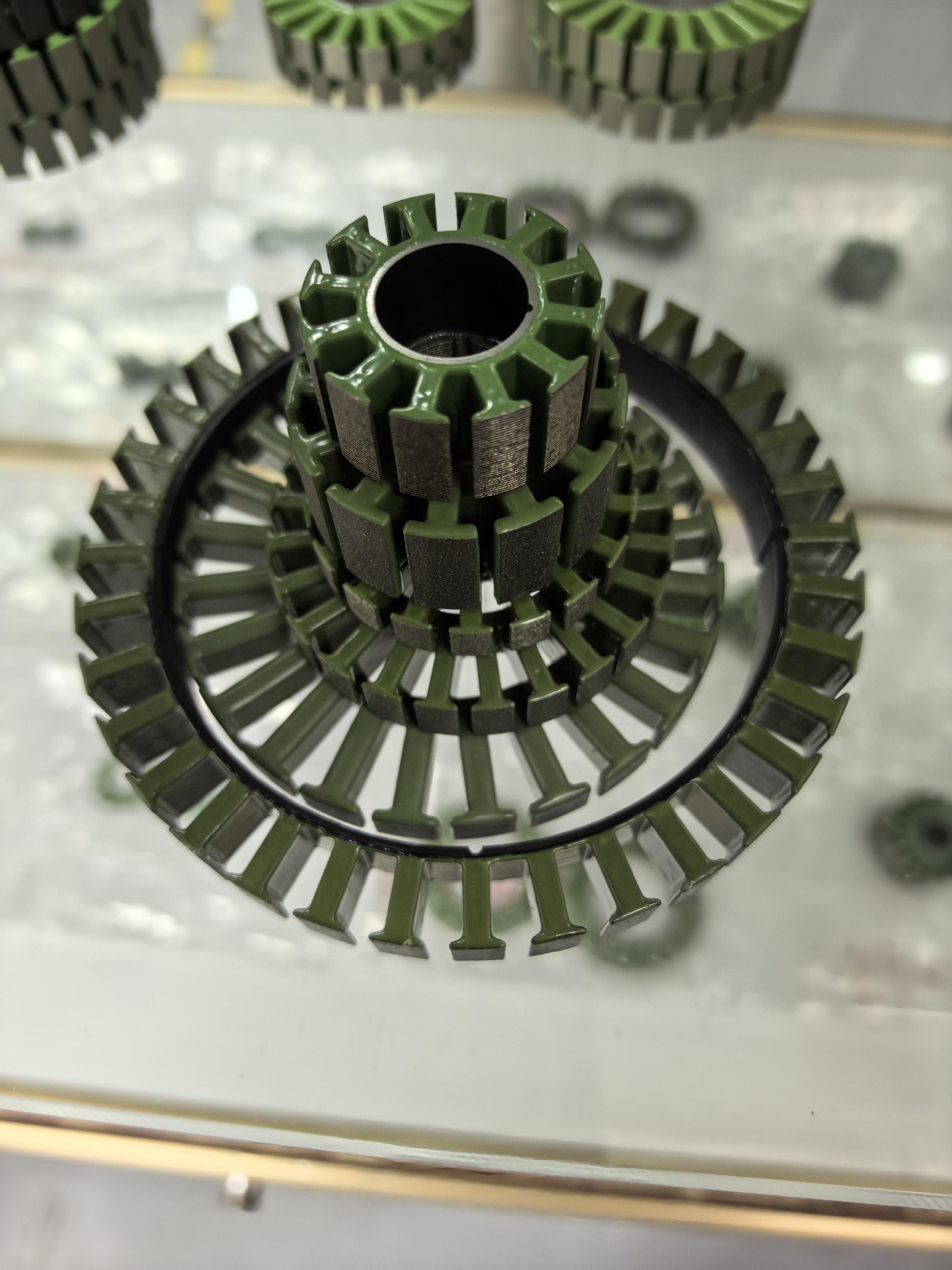
Why Stator Core is Important for FPV Motor? The Engine of Your Drone's Performance
Table of Contents
Introduction: More Than Just Metal
In the quest for the perfect FPV drone setup, pilots meticulously choose propellers, tune flight controllers, and debate battery brands. Yet, the single most critical component defining a motor's fundamental character often goes overlooked: the stator core. It is not just a piece of metal; it is the immovable foundation, the efficiency engine, and the torque generator all in one. Understanding its importance is the key to unlocking why motors behave so differently and how to select the right powerplant for your needs.
The Core's Critical Roles: A Multi-Faceted Powerhouse
The FPV motor stator core is the stationary, laminated iron hub at the center of every brushless outrunner motor. Its importance stems from several interconnected, vital functions:
-
H2: The Electromagnetic Highway
-
H3: Path for Magnetic Flux: When current flows through the copper windings, it creates magnetic fields. The stator core provides a high-permeability path for this magnetic flux, channeling it effectively to create a powerful rotational force on the surrounding magnets.
-
H3: Maximizing Electromagnetic Force: The core's material and design directly influence how strongly and efficiently this electromagnetic conversion happens. A better core means more of your battery's electrical energy becomes useful mechanical power.
-
-
H2: The Guardian of Efficiency
-
H3: Battling Core Losses: In a perfect motor, all electrical input becomes rotation. In reality, some energy is lost as heat within the stator itself, known as core losses. These consist of:
-
H4: Hysteresis Loss: Energy lost as the magnetic domains in the steel flip back and forth.
-
H4: Eddy Current Loss: Currents induced within the core, causing resistive heating.
-
-
H3: The Lamination Solution: This is why cores are made from hundreds of thin, insulated silicon steel laminations. This design dramatically reduces eddy currents, keeping the motor cooler and more efficient, especially at high RPMs.
-
-
H2: The Blueprint for Torque and Power
-
H3: Stator Dimensions Define Torque: The classic motor size (e.g., 2207) directly refers to the stator core: 22mm diameter and 7mm height. A larger diameter increases leverage, fundamentally allowing for greater torque. A taller stack allows for more copper windings, increasing the motor's power potential and torque constant (Kt).
-
H3: Thermal Mass and Heat Dissipation: The metal core acts as a heat sink, drawing warmth away from the hot windings and transferring it to the motor bell and base for cooling. Its mass and connection to the structure are vital for thermal management.
-
Decoding the Specs: FPV Stator Core Parameter Table
The performance of an FPV motor is dictated by the parameters of its stator core. Here’s what those numbers mean:
| Parameter | What It Is | Why It Matters for Performance |
|---|---|---|
| Stator Size (e.g., 2207) | Diameter (mm) x Height (mm) of the laminated stack. | Diameter = Torque Potential. Height = Power Handling. A 2306.5 motor has a wide diameter for torque and a mid-height for a balance of power and weight. |
| N-Pole Count (e.g., 12N) | Number of stator teeth or poles. | Influences smoothness and torque characteristics. Higher pole counts (like 12N or 18N) often offer smoother rotation and better low-RPM performance. |
| Lamination Thickness | Thickness of each individual steel sheet (e.g., 0.2mm). | Thinner laminations (e.g., 0.1mm) significantly reduce eddy current loss, boosting high-RPM efficiency. This is a mark of premium motors. |
| Slot Area | The open space between teeth for windings. | Determines how much copper can be placed. Larger slot area enables higher current handling and more powerful windings (e.g., more strands of thicker wire). |
| Steel Grade | Quality of the silicon electrical steel. | High-grade steel (like JN/JF series) has superior magnetic permeability and lower core loss, translating to more power and less heat. |
Architectural Showdown: FPV Outrunner vs. Inrunner Core
While both use laminated cores, their integration creates motors with opposite philosophies.
| Aspect | FPV Drone (Outrunner) Stator Core | Inrunner Motor Lamination Core |
|---|---|---|
| Physical Role | Stationary anchor. The core is fixed; the magnet bell rotates around it. | Rotating component. The core spins inside a stationary magnet shell. |
| Design Priority | Optimized for high-torque, direct drive. Large diameter for maximum leverage on the propeller. | Optimized for extremely high rotational speeds (RPM). Low rotor inertia allows rapid acceleration. |
| Torque Production | Excellent. Large diameter provides a long "lever arm" for magnetic force, ideal for directly driving large props. | Lower by design. Requires a reduction gearbox to multiply torque for propeller use, adding complexity. |
| Cooling Context | Windings are close to the outer shell, benefiting from direct prop wash airflow. Critical for FPV's high bursts of power. | Windings are buried inside, making cooling more challenging. Often requires dedicated airflow or heatsinks. |
| FPV Relevance | The absolute standard. Perfectly matched to the need for instant, massive torque and simple, robust construction. | Highly niche. Used in some specialized long-range or heavy-lift drones with geared propulsion systems, not typical acro/quads. |
The Verdict: The FPV stator core’s importance is rooted in its perfect suitability for the application: a torque-dense, efficiently cooled, and simple direct-drive system that meets the brutal demands of acrobatic flight.
The Expert's Corner: Performance from the Inside Out
David L., a lead engineer at a premier motor manufacturer, explains: *"You can think of the stator core as the motor's skeleton and circulatory system combined. We spend immense effort sourcing the right high-grade laminations and designing the slot geometry. Why? Because the core determines the ceiling for performance. A poor core with thick laminations will saturate magnetically and overheat quickly, wasting power as heat. A well-designed core, like those we use with 0.1mm laminations, stays cooler and delivers more consistent power, flight after flight. It’s the difference between a motor that feels strong for 30 seconds and one that delivers peak performance for its entire lifespan."*
This insight confirms that the core is not a passive component but an active and defining element of motor performance, durability, and efficiency.
Curious about how these precision components are manufactured? Our detailed guide How to make drone motor stator core? walks through the fascinating process from raw steel to finished stack.
Frequently Asked Questions (FAQ)
Q1: If two motors have the same stator size (e.g., 2207) and KV, will they perform identically?
A: Not necessarily. Performance differences will come from the quality of the stator core (lamination grade and thickness), the winding pattern, magnet strength, and bearing quality. A motor with a superior core will often run cooler and maintain power more consistently.
Q2: How does stator size affect flight style?
A: Generally, larger diameter stators (e.g., 22xx vs 20xx) provide more torque, favoring aggressive flying with larger, higher-pitch props. Taller stators (e.g., 2207 vs 2204) offer more power and "punch" but may add weight. Smaller/lighter setups (e.g., 2004) prioritize efficiency and responsiveness for tiny whoops or lightweight builds.
Q3: What happens if a stator core gets damaged in a crash?
A: Bent or dented laminations disrupt the precise magnetic circuit. This leads to increased vibration, screeching noises, significant loss of power, and severe overheating. The motor is typically irreparable and must be replaced.
Q4: Is a higher N-pole count (like 12N) always better than 9N?
A: It's a trade-off. Higher pole counts (12N, 18N) are renowned for smooth operation and creamy throttle control. However, 9N motors can achieve slightly higher peak RPM. The "best" choice is often subjective and depends on pilot preference and the intended use.
Q5: Why do premium motors emphasize "thin laminations"?
A: Thinner laminations (0.1mm or 0.15mm) are a primary defense against eddy current loss, the main source of core heating at high speeds. This results in a motor that can sustain high RPMs more efficiently, delivering more power to the prop and less waste heat to manage. It's a key marker of advanced engineering.
How to Make FPV Motor Stator Core?
What is FPV Motor Stator Core?
Related Article


