
What is Housing in BLDC Motor?
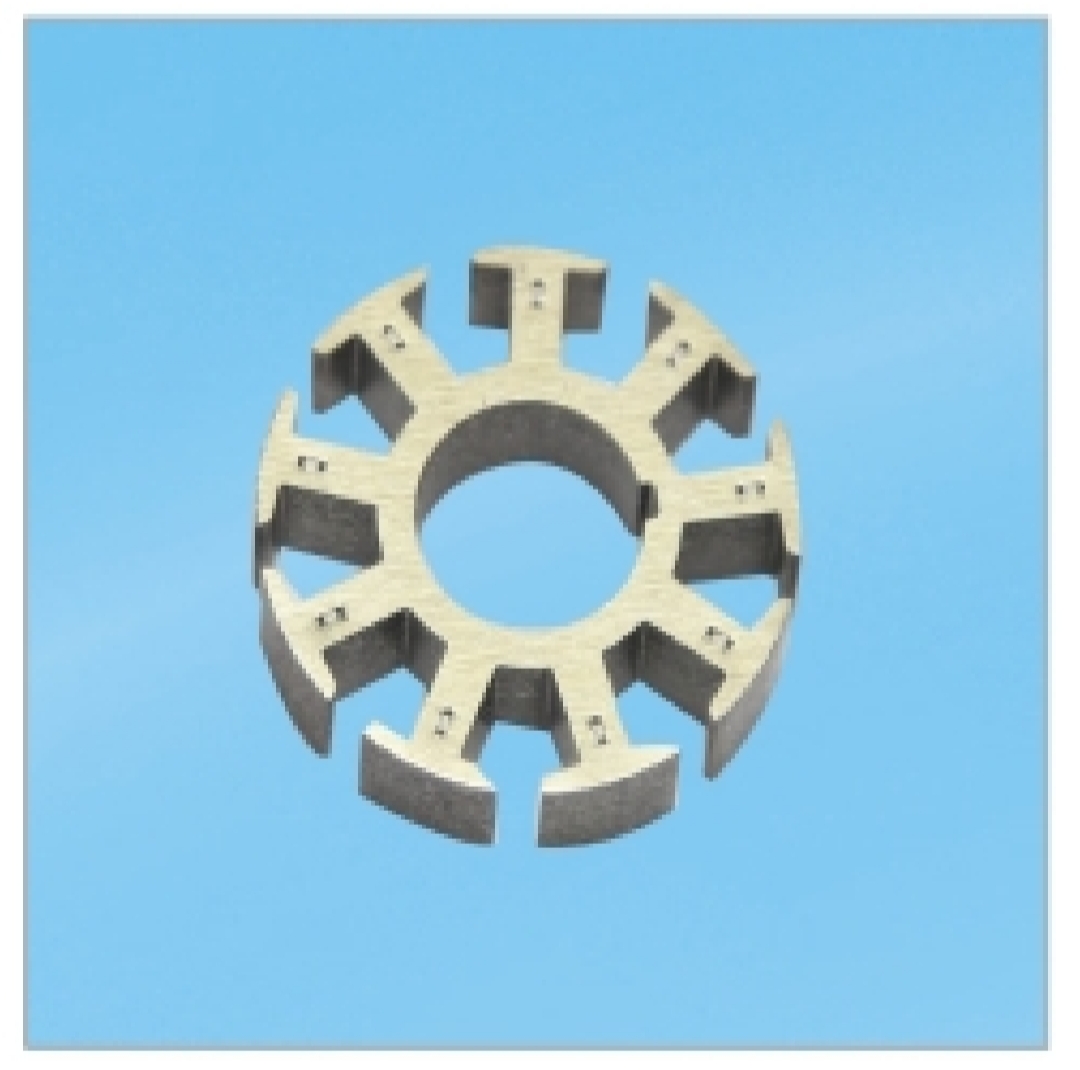
Here's a breakdown of its key roles and characteristics:
-
Primary Functions:
-
Structural Support & Rigidity: Provides the main mechanical backbone for the motor. It holds the stator core (containing the windings) firmly in place and maintains the precise air gap between the stator and the rotor.
-
Protection: Shields the sensitive internal components (stator windings, rotor magnets, bearings, sensors) from:
-
Physical Damage: Impacts, abrasion.
-
Contaminants: Dust, dirt, metal chips, liquids (moisture, oil, chemicals). This is often enhanced by seals and gaskets.
-
Environmental Factors: Corrosion, UV radiation (depending on material).
-
-
Thermal Management (Heat Dissipation): This is crucial for BLDC motor performance and longevity.
-
The housing acts as a heat sink, absorbing heat generated by the stator windings (copper losses) and rotor eddy currents (iron losses).
-
Heat is transferred from the stator core to the housing through direct contact.
-
The outer surface of the housing (often finned) then dissipates this heat to the surrounding air (convection) or to a mounting surface (conduction). Efficient heat dissipation prevents overheating and winding insulation failure.
-
-
Mounting Interface: Provides features (flanges, feet, threaded holes, mounting brackets) to securely attach the motor to the driven equipment (e.g., a pump, fan, robot arm, electric vehicle chassis).
-
Bearing Support: Houses the bearings that support the motor shaft and rotor assembly, ensuring smooth rotation and precise alignment. The bearing seats are machined directly into the housing end caps or the main housing body.
-
Environmental Sealing: Often incorporates seals (O-rings, lip seals) at shaft exits and between housing sections to achieve specific Ingress Protection (IP) ratings (e.g., IP65, IP67) for dust and water resistance.
-
Containment: Contains magnetic fields (somewhat, though flux primarily loops through the stator and rotor) and potentially flying debris if a component fails.
-
Aesthetics & Safety: Provides a finished appearance and protects users from moving parts and electrical hazards.
-
-
Common Materials:
-
Aluminum Alloys (Most Common): Preferred for their excellent combination of:
-
Good Thermal Conductivity: Essential for heat dissipation.
-
Light Weight: Important for applications like drones and robotics.
-
Good Machinability & Castability: Allows for complex shapes and finned designs.
-
Decent Strength-to-Weight Ratio.
-
Often used as: Die-cast housings, extruded tubes, or machined from billet.
-
-
Steel:
-
Used for applications requiring very high strength, rigidity, or impact resistance.
-
Offers good magnetic properties (sometimes beneficial for containing stray fields, though less critical than in some other motor types).
-
Heavier than aluminum.
-
Lower thermal conductivity than aluminum (can be a drawback for high-power density motors).
-
-
Stainless Steel: Used where high corrosion resistance is paramount (e.g., food processing, marine environments, medical devices). Can be heavier and more expensive.
-
Engineering Plastics/Composites: Used in some very low-cost, low-power, or highly weight-sensitive applications. Offer good corrosion resistance and electrical insulation but generally have poor thermal conductivity and lower strength/rigidity.
-
-
Design Considerations:
-
Thermal Path: Design focuses on ensuring an efficient thermal path from the stator core to the outer surface (e.g., tight fit between stator and housing, use of thermal compounds).
-
Cooling Fins: External fins significantly increase the surface area for convective heat transfer.
-
Mounting Features: Must be robust and precisely located to handle operational forces and vibrations.
-
Sealing: Design of grooves and surfaces for effective sealing elements.
-
Weight & Size: Critical for applications like aerospace and portable devices.
-
Cost: Material choice and manufacturing process (die-casting, extrusion, machining) heavily impact cost.
-
Sensor Integration: May include features or mounts for Hall effect sensors or encoders.
-
Connector/Conduit Entry: Provisions for power and sensor cables.
-
In essence: The BLDC motor housing is far more than just a cover. It's a multifunctional component vital for the motor's mechanical integrity, thermal performance, environmental protection, mounting, and overall reliability and lifespan. The choice of material and design directly impacts the motor's power density, efficiency, weight, cost, and suitability for specific applications.
Why Housing is important in BLDC Motor?
How to make BLDC Motor Grease?
Related Article


