
How to make vehicle rearview mirror BLDC Motor?
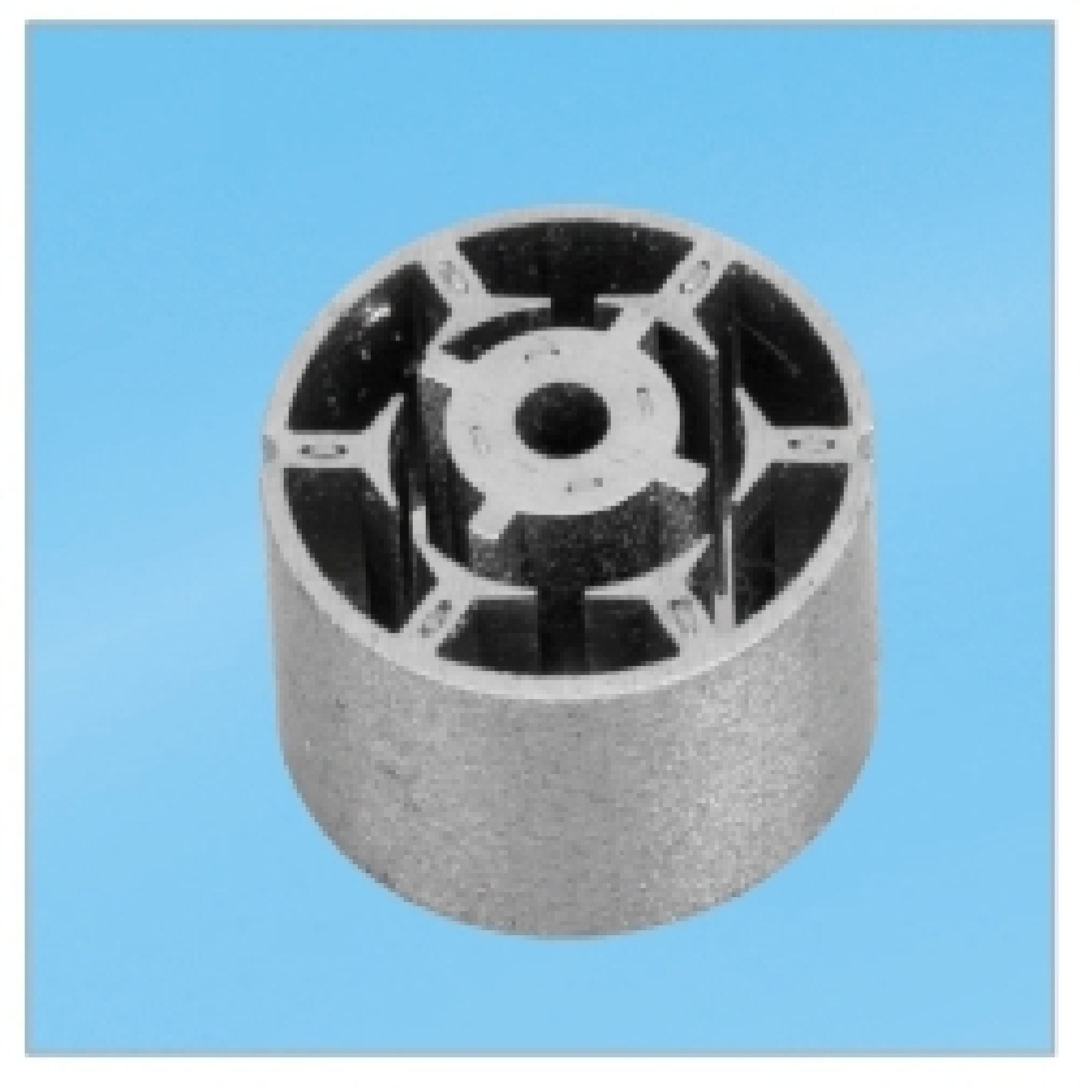
However, here's an overview of the key engineering steps involved for professional development:
1. Define Requirements & Specifications
-
Torque: Must overcome friction, ice buildup, and mirror inertia.
-
Speed: Slow, precise movement (e.g., 5-15 RPM).
-
Size: Ultra-compact (< 25mm diameter typical).
-
Voltage: 12V automotive system (operating range: 9–16V).
-
Environmental: -40°C to +85°C, humidity, vibration (ISO 16750).
-
Lifespan: > 50,000 adjustment cycles.
-
Noise: < 25 dB(A) during operation.
2. Motor Core Design
-
Stator:
-
Topology: Slotless design (common for low noise/vibration).
-
Lamination: Thin silicon steel sheets to reduce eddy currents.
-
Windings: Concentrated windings (3-phase), automated precision winding.
-
-
Rotor:
-
Magnets: 2-4 pole pairs of neodymium (NdFeB) magnets for high torque density.
-
Core: Lightweight polymer or stainless steel sleeve.
-
-
Bearings: Sintered bronze or miniature ball bearings for longevity.
3. Gearbox & Mechanical Transmission
-
Type: Planetary gearbox (high reduction ratio in minimal space).
-
Reduction Ratio: 100:1 to 300:1 (converts high motor RPM to low-output torque).
-
Materials: POM (polyoxymethylene) or nylon gears for quiet operation.
-
Output Mechanism: Leadscrew or linkage to convert rotation to linear mirror tilt.
4. Position Sensing & Feedback
-
Limit Switches: Detect mirror’s min/max travel positions to prevent stall.
-
Hall Sensors: (Optional) For commutation feedback or position control.
-
Potentiometer: Low-cost angular position feedback.
5. Motor Driver Electronics
-
Controller: Dedicated BLDC driver ASIC (e.g., DRV10983) or microcontroller.
-
Topology: 3-phase inverter (MOSFET H-bridge).
-
Commutation: Sensorless trapezoidal control (reduces cost/size).
-
Protections: Over-current, over-temperature, short-circuit, reverse polarity.
6. Integration & Assembly
-
Housing: Sealed plastic/metal case (IP5K4 dust/water resistance).
-
Connector: Automotive-grade 4–6 pin connector (e.g., Deutsch, TE Connectivity).
-
EMI Shielding: Ferrite beads/filters to meet CISPR 25 standards.
7. Validation & Testing
-
Environmental: Thermal cycling, salt spray, humidity exposure.
-
Vibration: Random/ sinusoidal vibration per ISO 16750-3.
-
Life Testing: 50k+ continuous movement cycles.
-
EMC: Radiated/conducted emissions & immunity (ISO 11452).
8. Manufacturing Process
-
Automation: Robotic winding, laser welding, automated gear assembly.
-
Quality Control: 100% testing of torque, noise, and electrical parameters.
-
Supply Chain: Automotive-grade components (AEC-Q200 certified).
Why You Can't "Make It Yourself"
-
Precision Tooling: Requires injection molds, winding machines, SMT lines ($100k+ investment).
-
Certification: Must pass automotive OEM specifications (e.g., Ford WSS, VW TL).
-
Safety: Faulty design could lead to mirror failure → compromised visibility.
Practical Alternative
For prototyping/modification, use off-the-shelf BLDC micromotors (e.g., from Nidec, Mabuchi, or Johnson Electric) with integrated drivers. Example:
-
Motor: EC flat motor (Ø20mm, 12V).
-
Driver: TI DRV8313 evaluation board.
-
Gearbox: Planetary gearhead (100:1 ratio).
⚠️ Disclaimer: For commercial vehicles, always source motors from certified automotive suppliers (e.g., Bosch, Valeo, Magna). Reverse-engineering is not feasible without OEM-level R&D resources.
Let me know if you'd like details on any specific stage!
What is vehicle EPS Motor in BLDC Motor?
Why BLDC Motor is important for vehicle rear mirror?
Related Article


